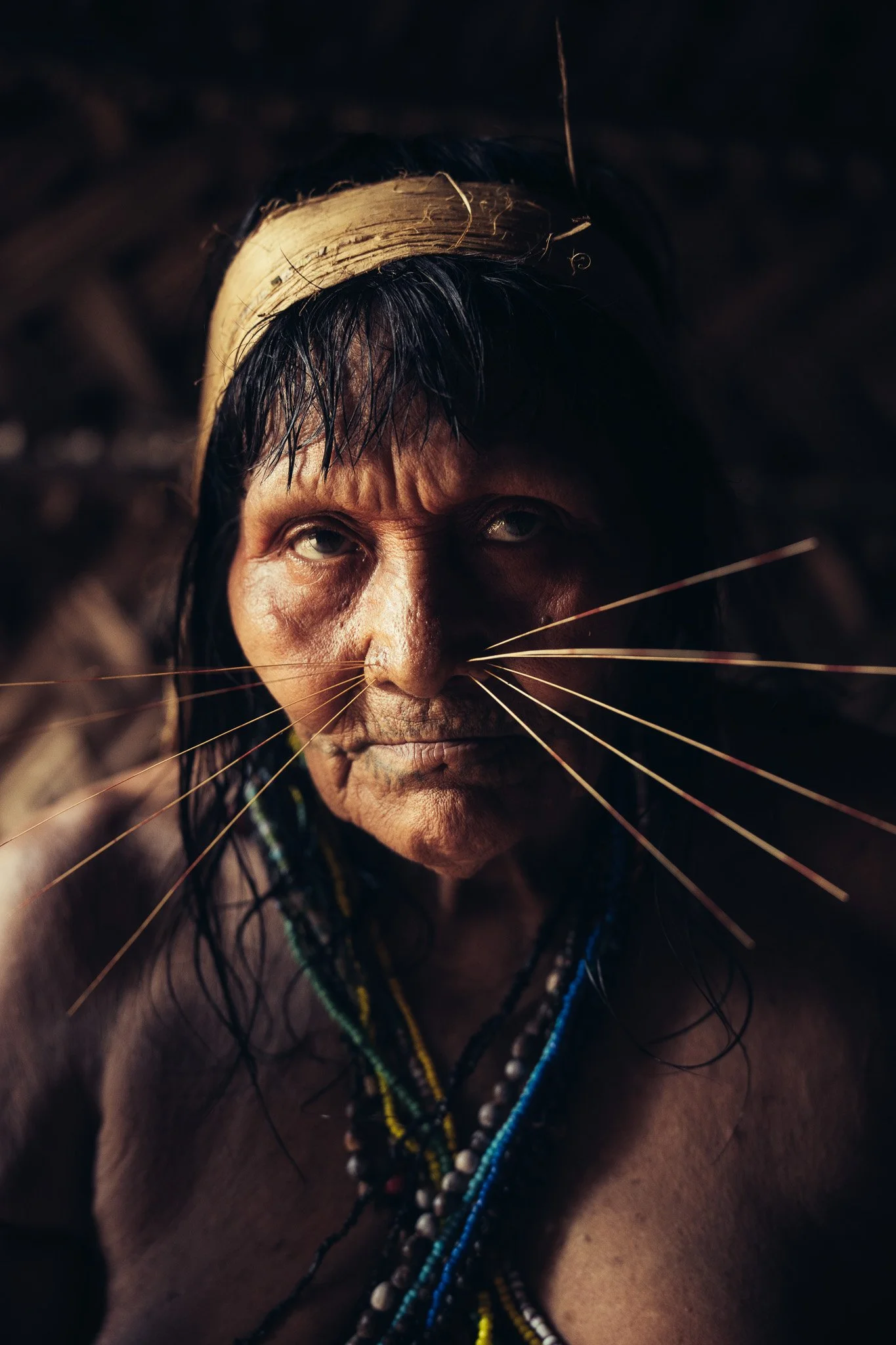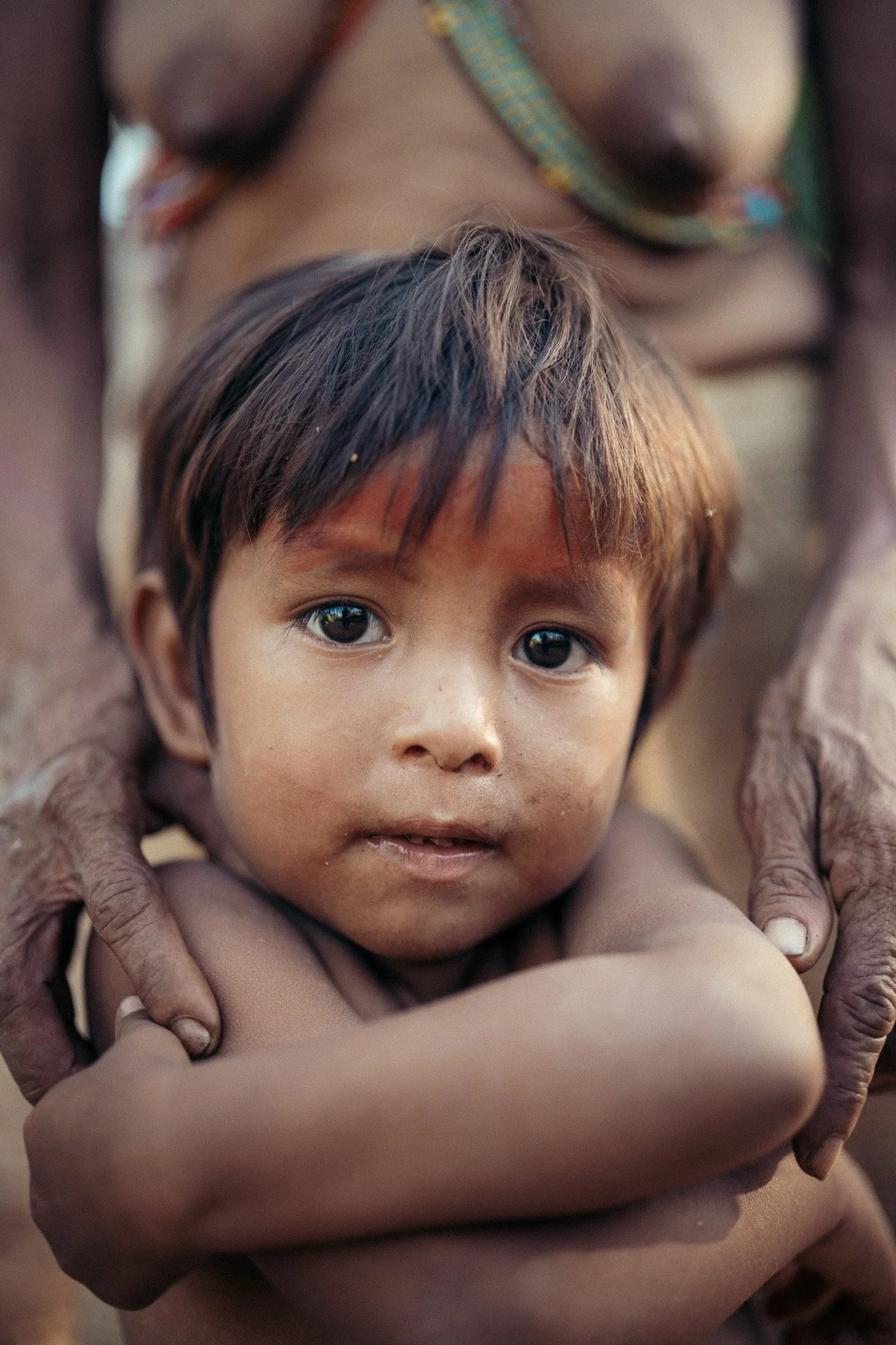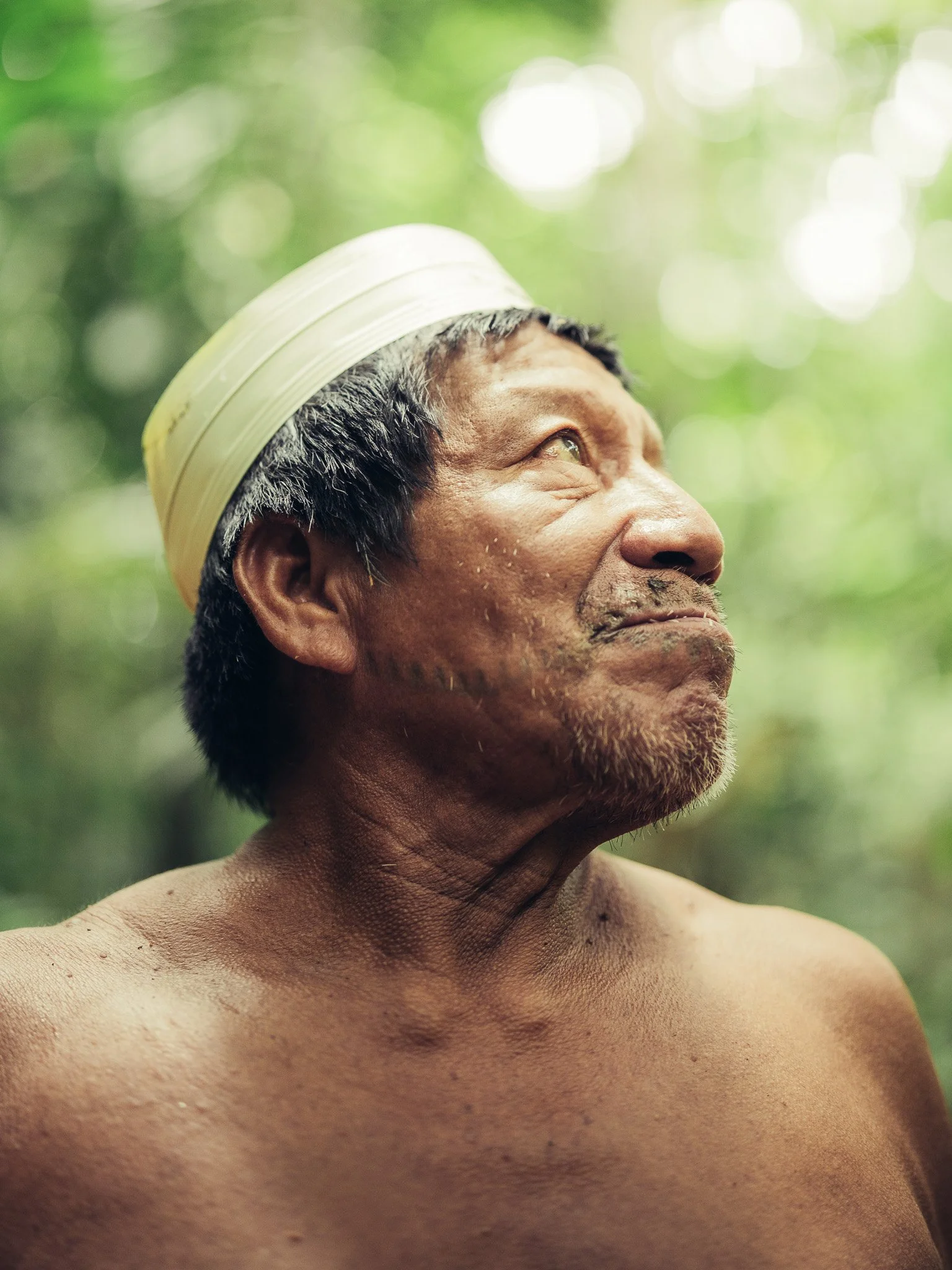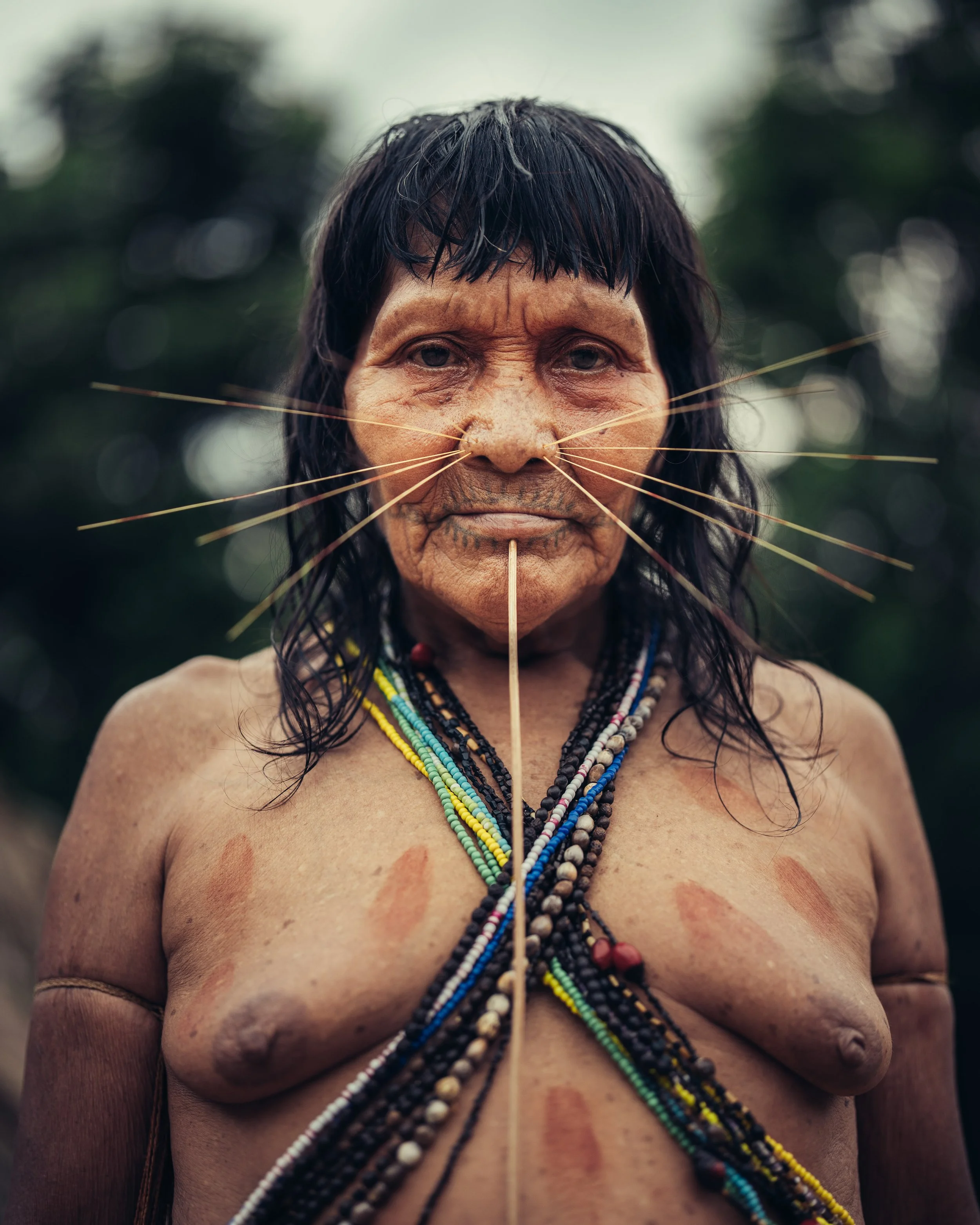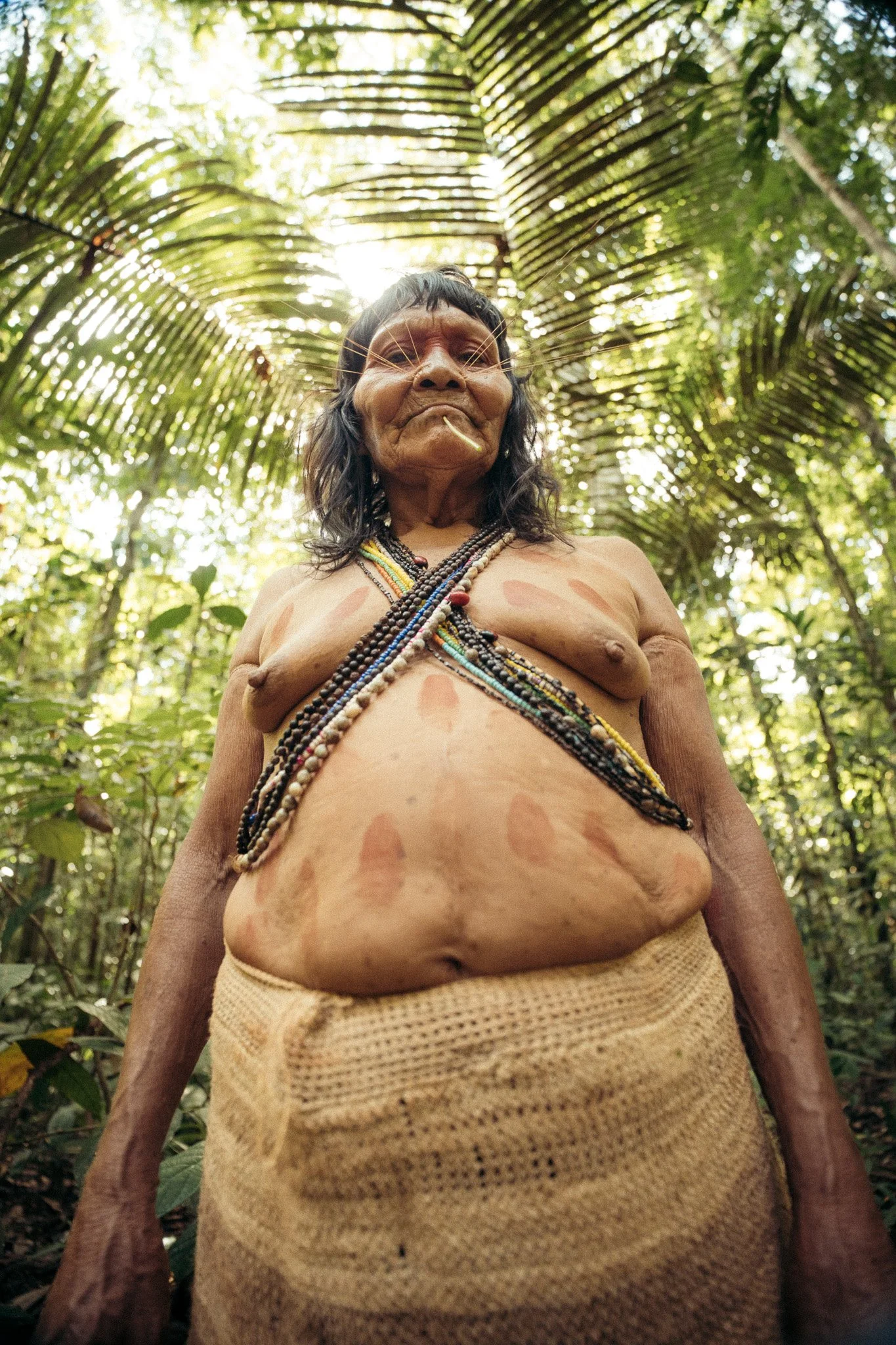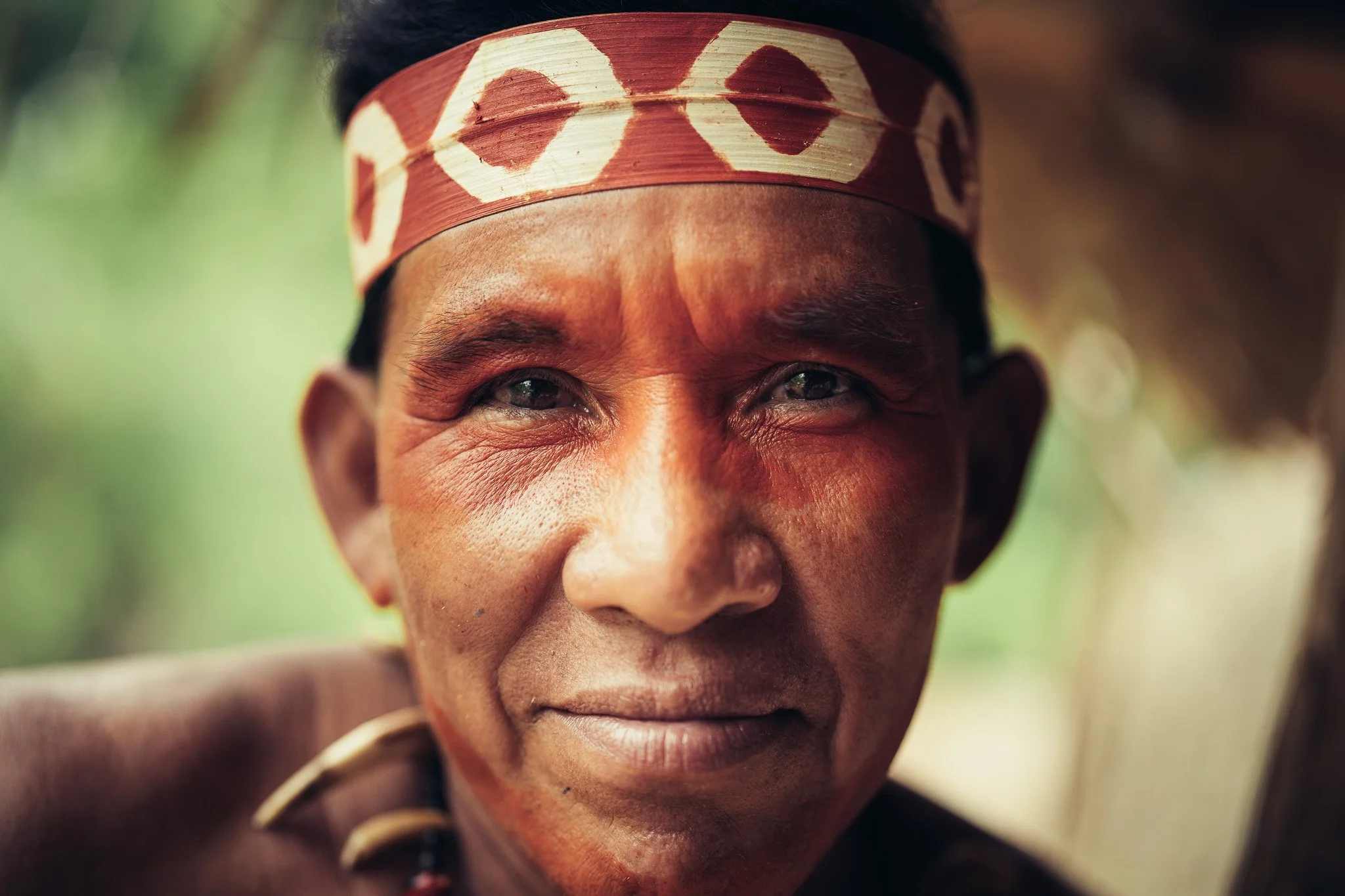
In the Peruvian Amazon, the Matsés live in a dense forestenvironment that structures all their daily practices.The forest isnot merely a setting, but a territory traversed, used, and intimatelyknown. Movement, hunting, gathering, and domestic activities areall organized in direct relation to it.The knowledge associated withthis environment occupies a central place. Some plants are usedfor medicinal purposes, others to support specific practices. Thisknowledge is transmitted orally, over time and through experience.Hunting is an essential activity. It involves constant attention to tracks,sounds, and movements. It is part of a prolonged relationship withthe environment, requiring patience and adaptation.Certain bodilypractices accompany these activities. The use of natural substances,derived from animals or plants, occurs in specific contexts, linkedto physical preparation or forms of learning.The observed gesturesare not isolated. They are part of a set of practices where the body,the environment, and knowledge are closely linked.Over the pastfew decades, the Matsés region has faced various forms of externalpressure. The introduction of new objects, new infrastructure, and new economic models is gradually altering certain aspects of daily life. These transformations coexist with older, still-present practices.For several days, I shared in some of these activities, following their movements and observing the interactions between individual sand their environment.Understanding remains incomplete.Gestures are often learned through experience and are not always verbally explained.This project operates within this limitation. It documents situations, practices, and forms of transmission, without attempting to offer a comprehensive interpretation.The images bear witness to a way of life closely connected to the forest, while simultaneously being situated within a context of transformation.