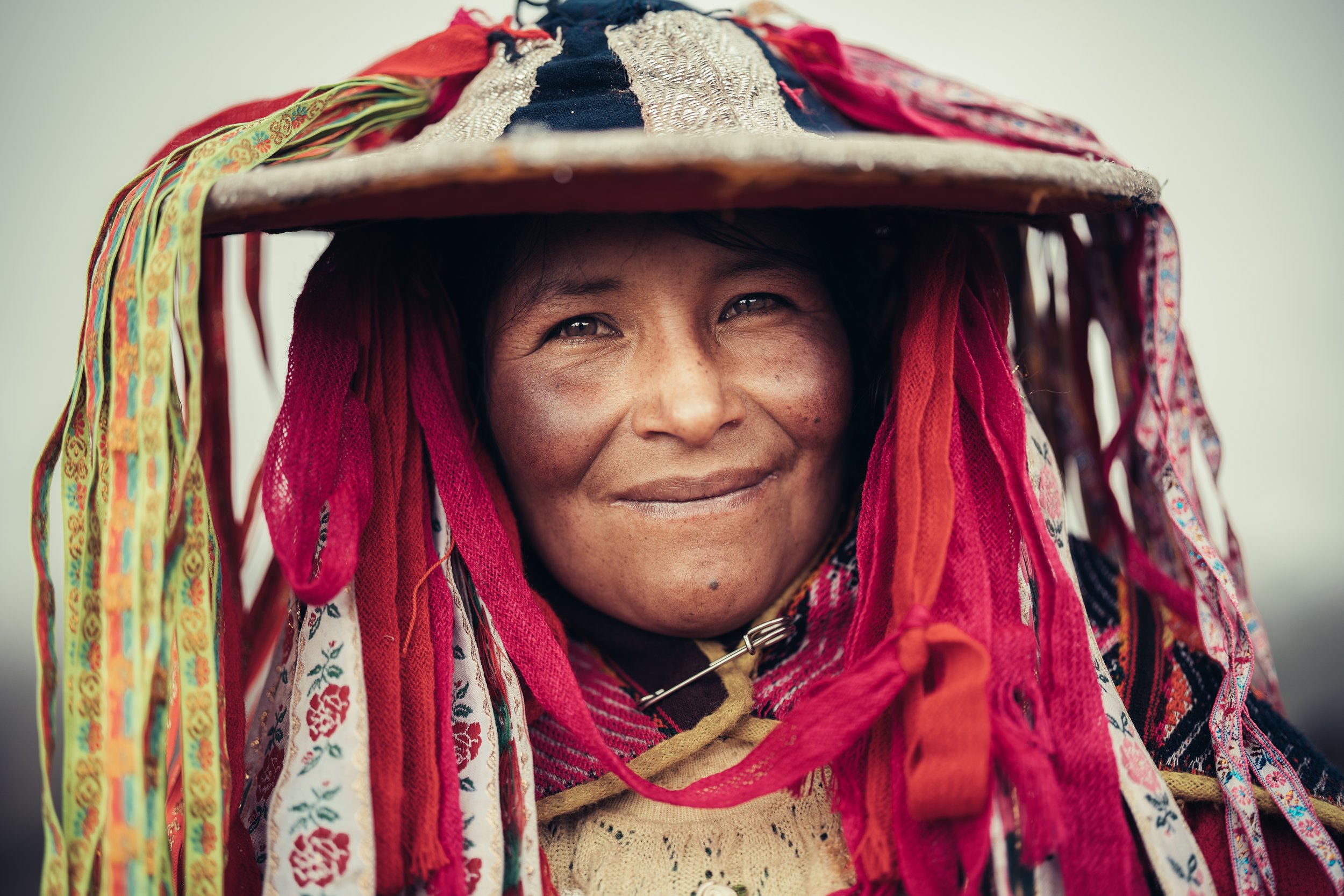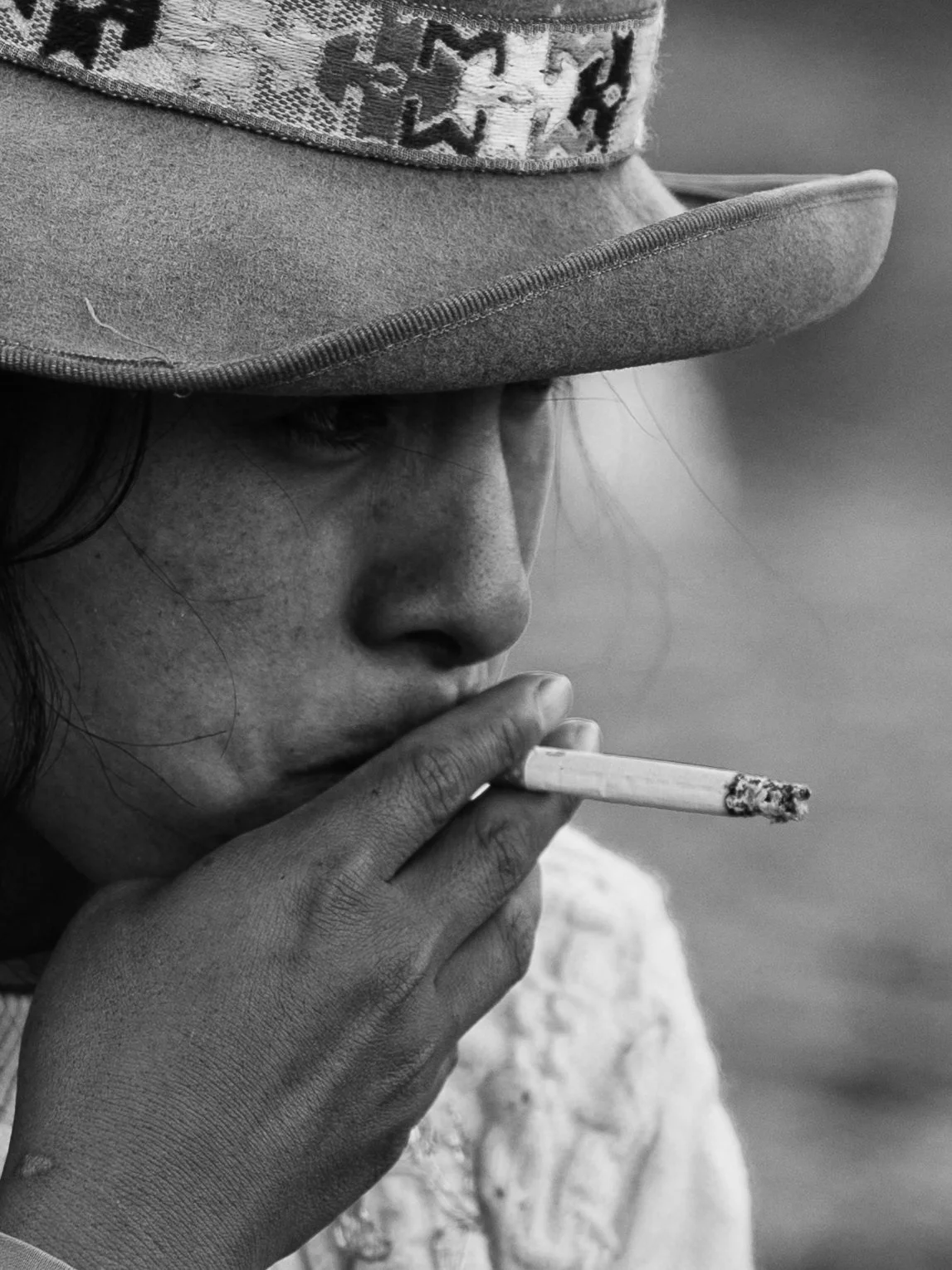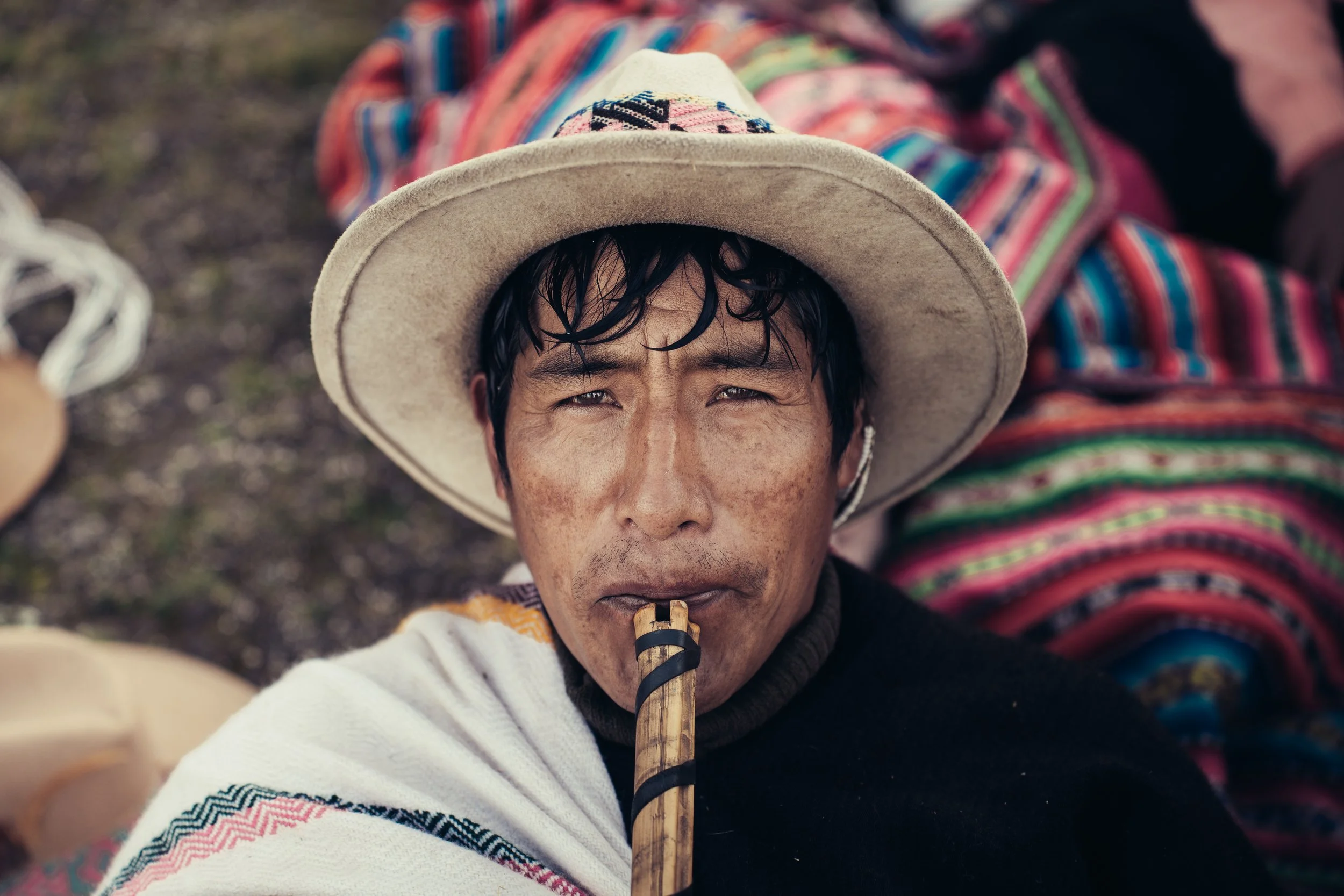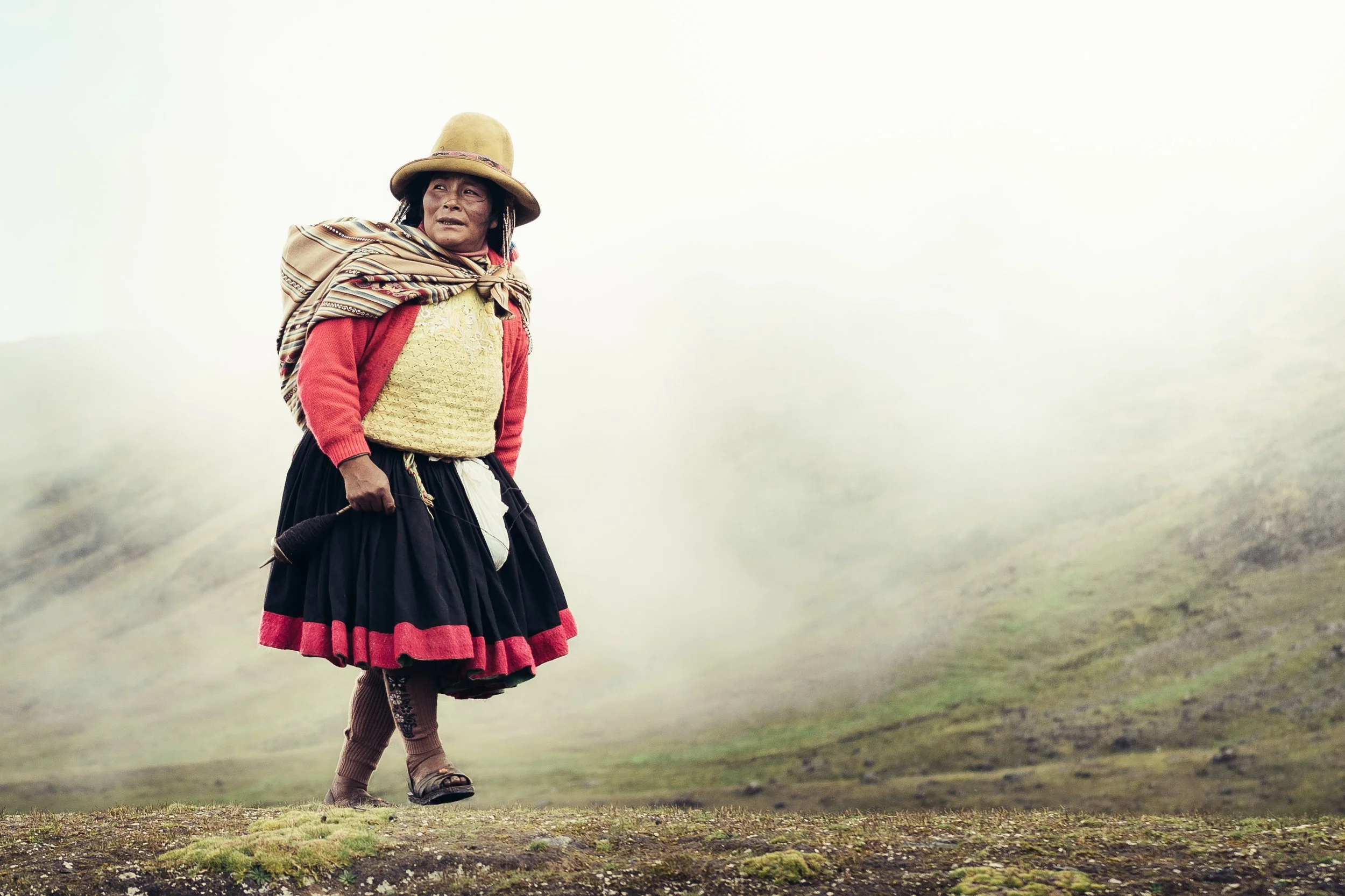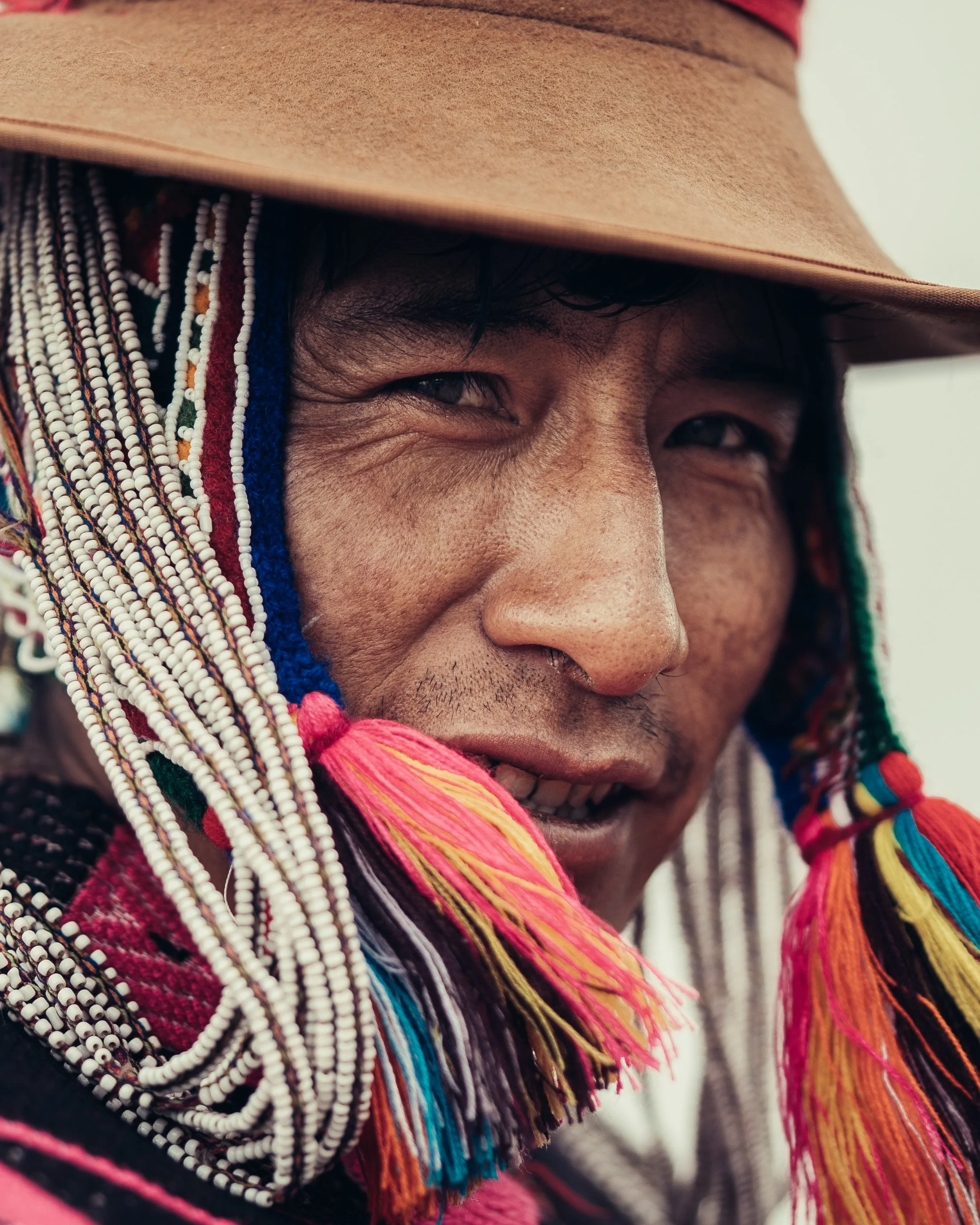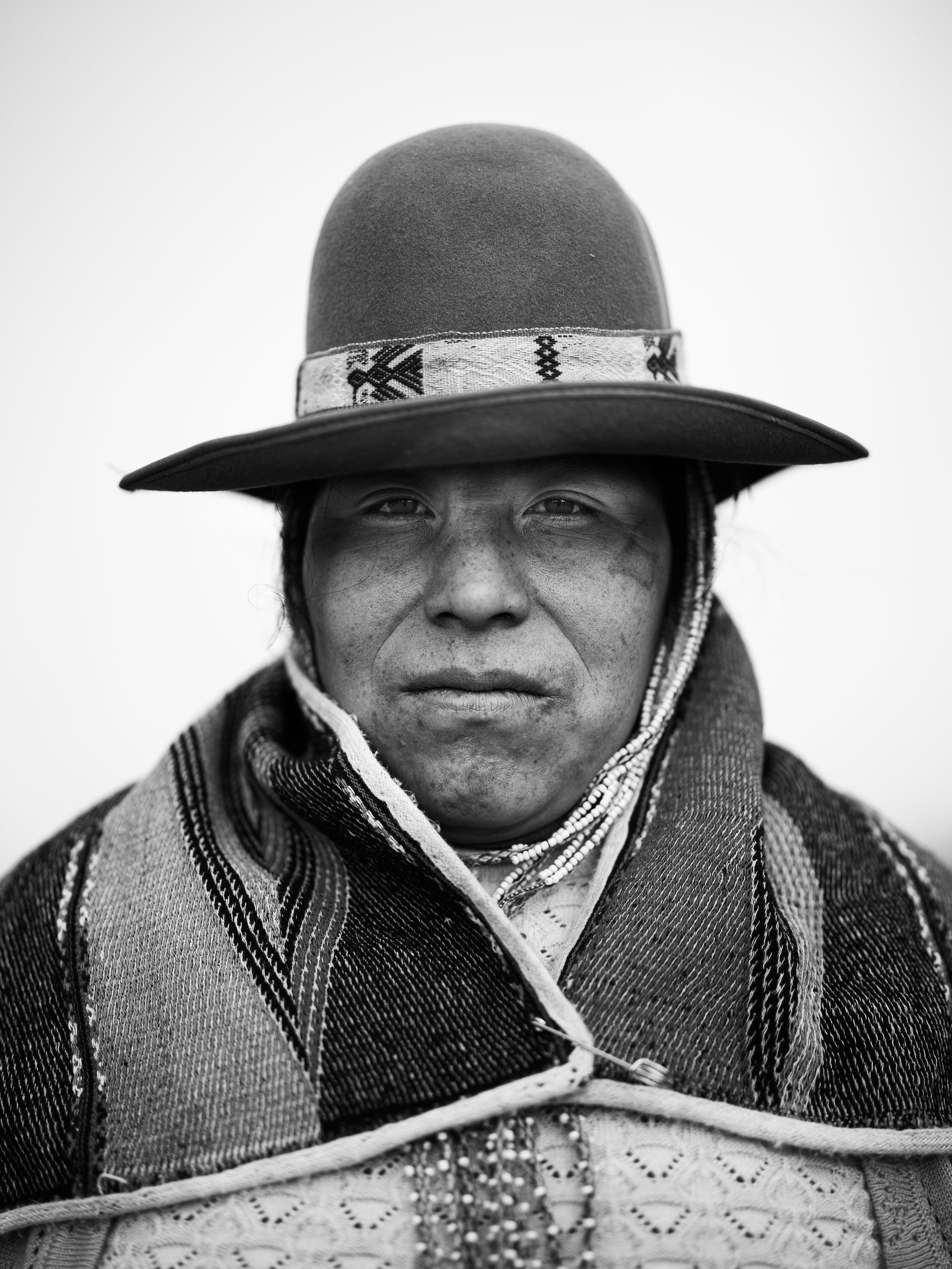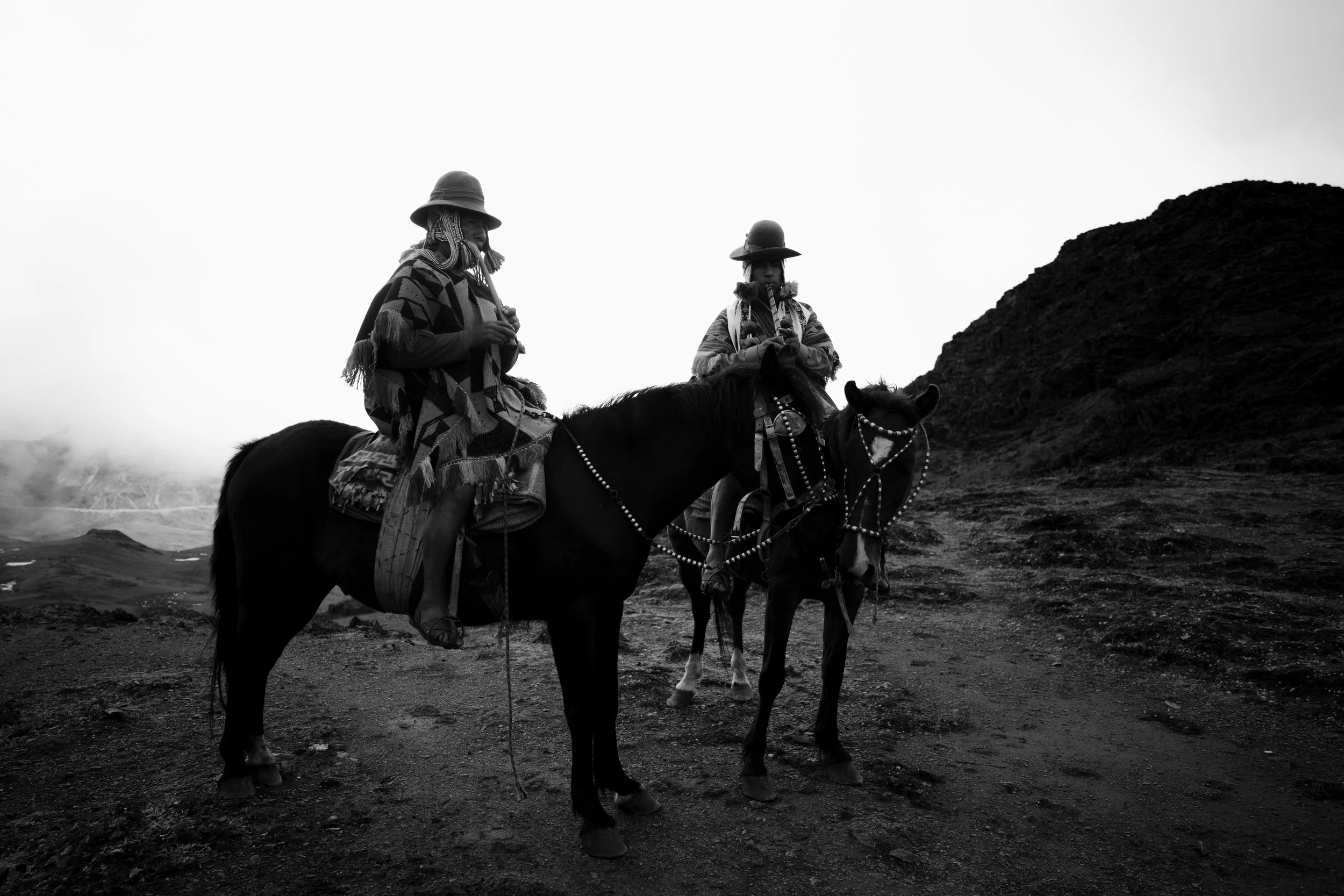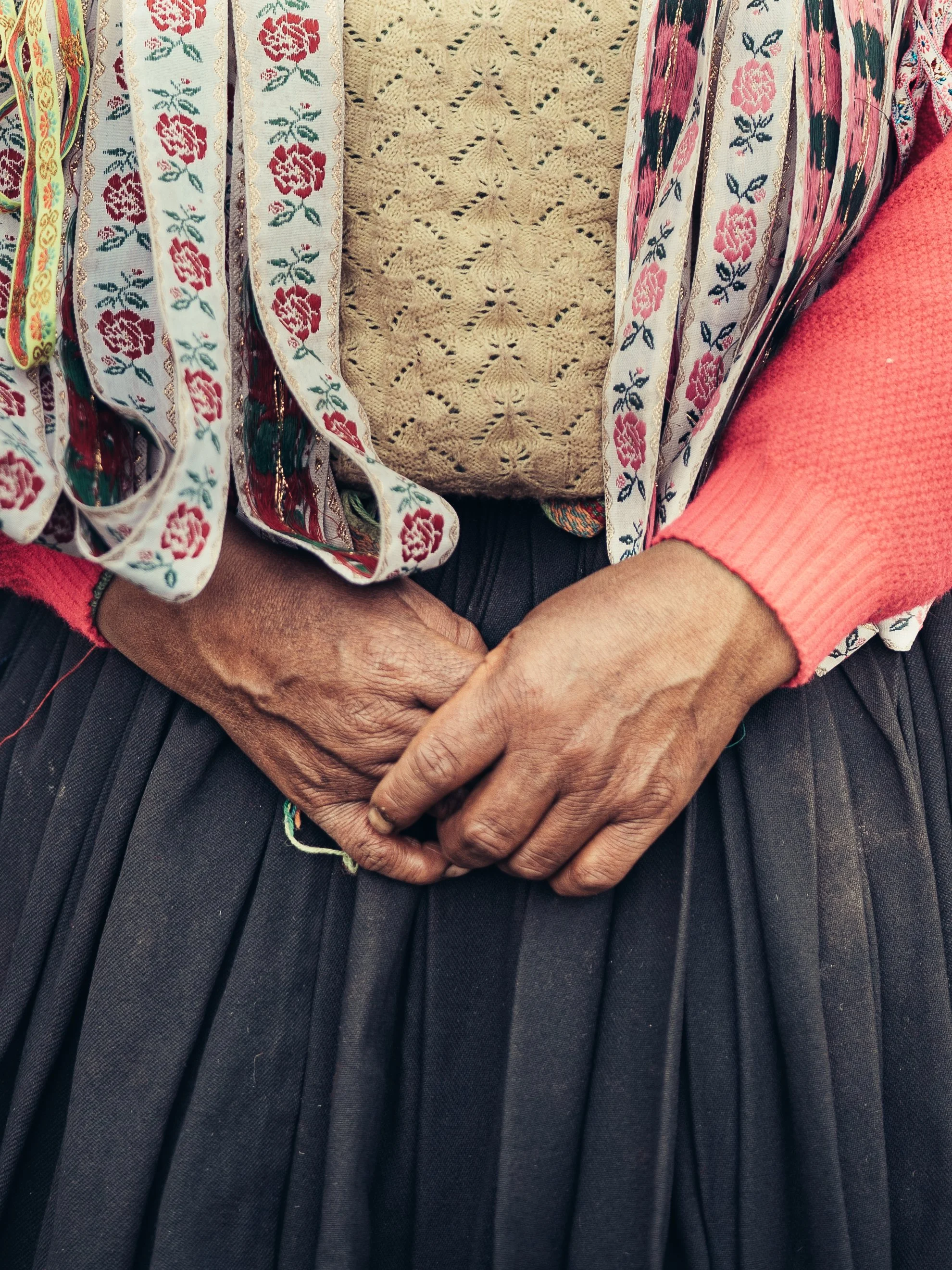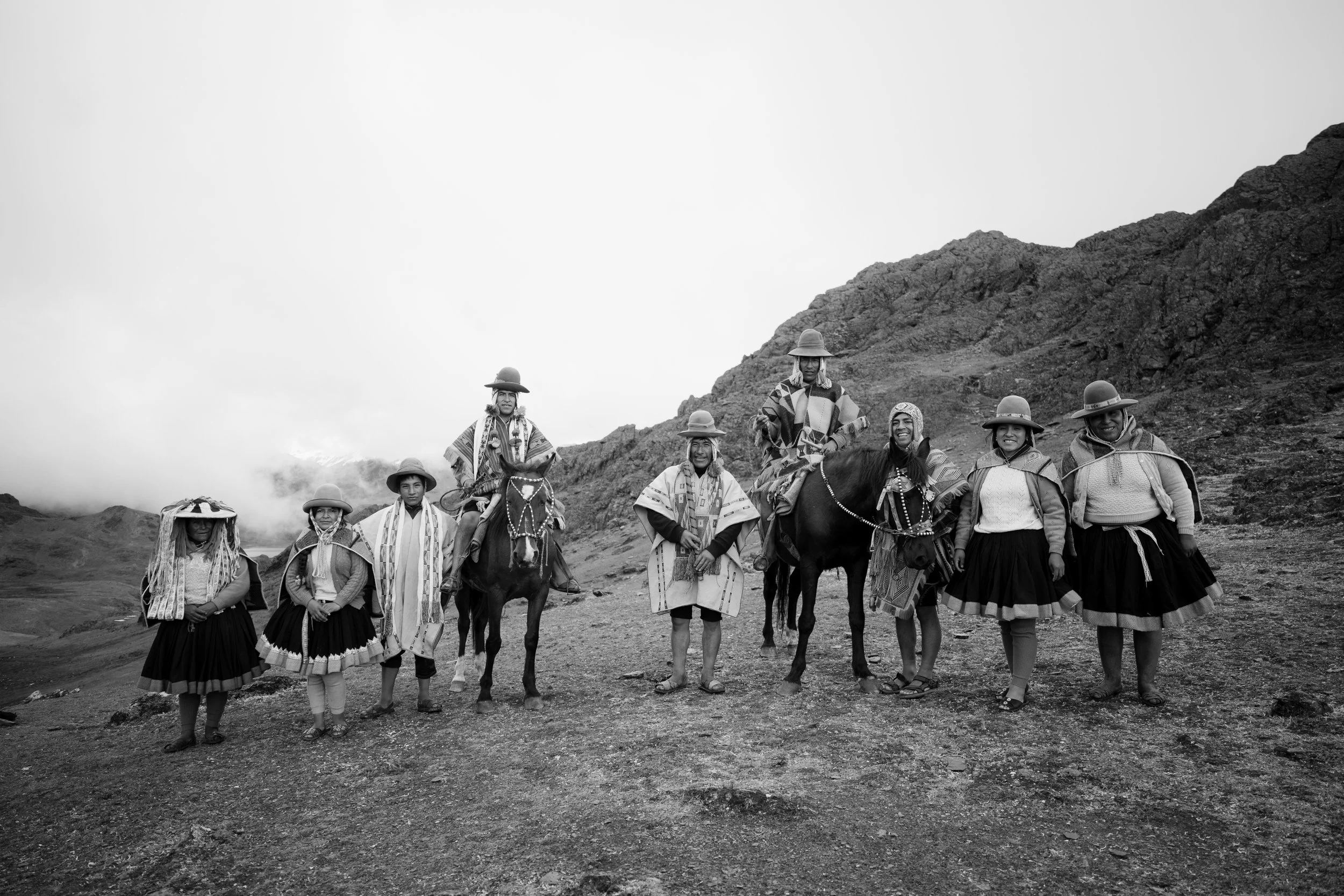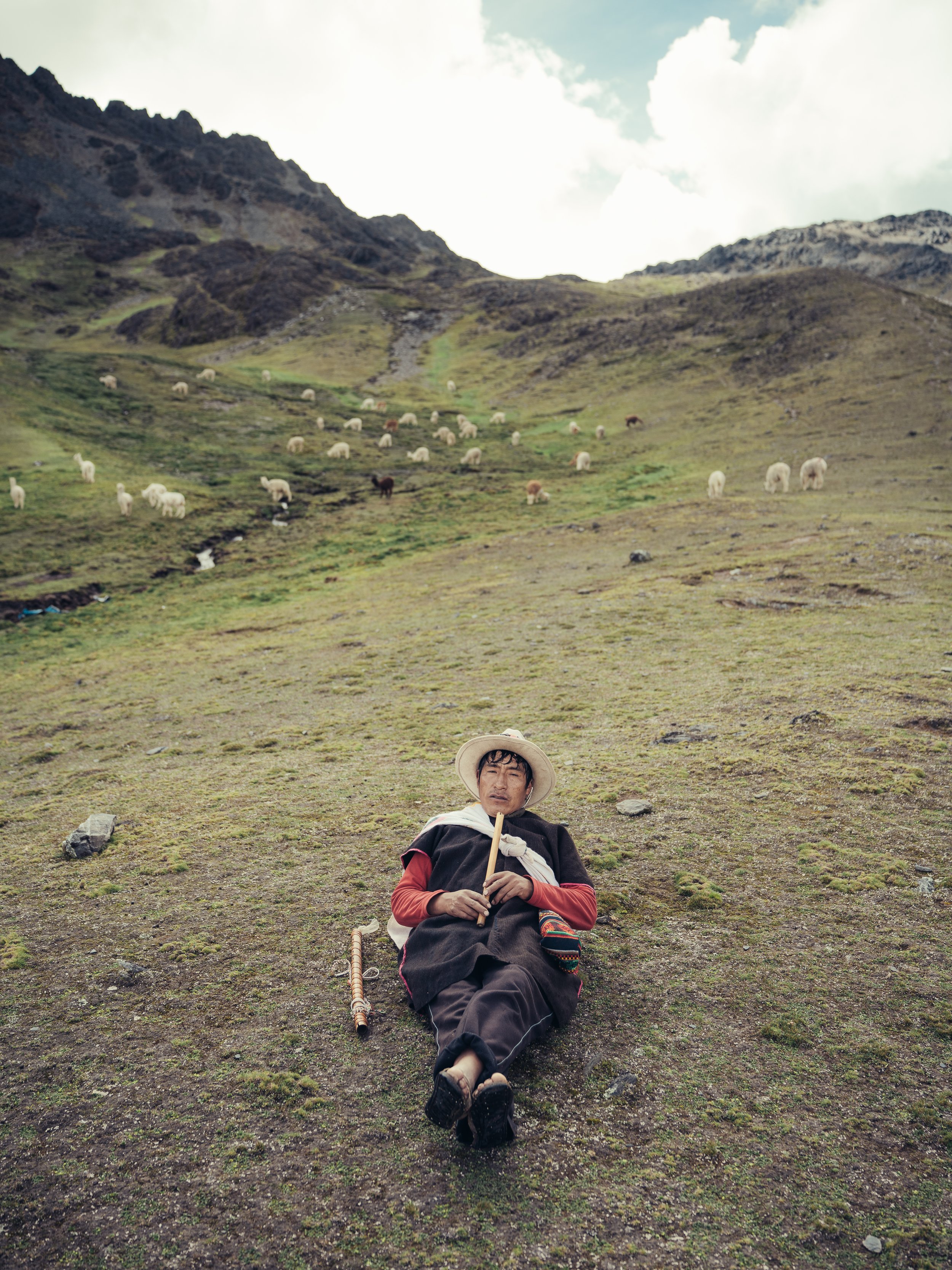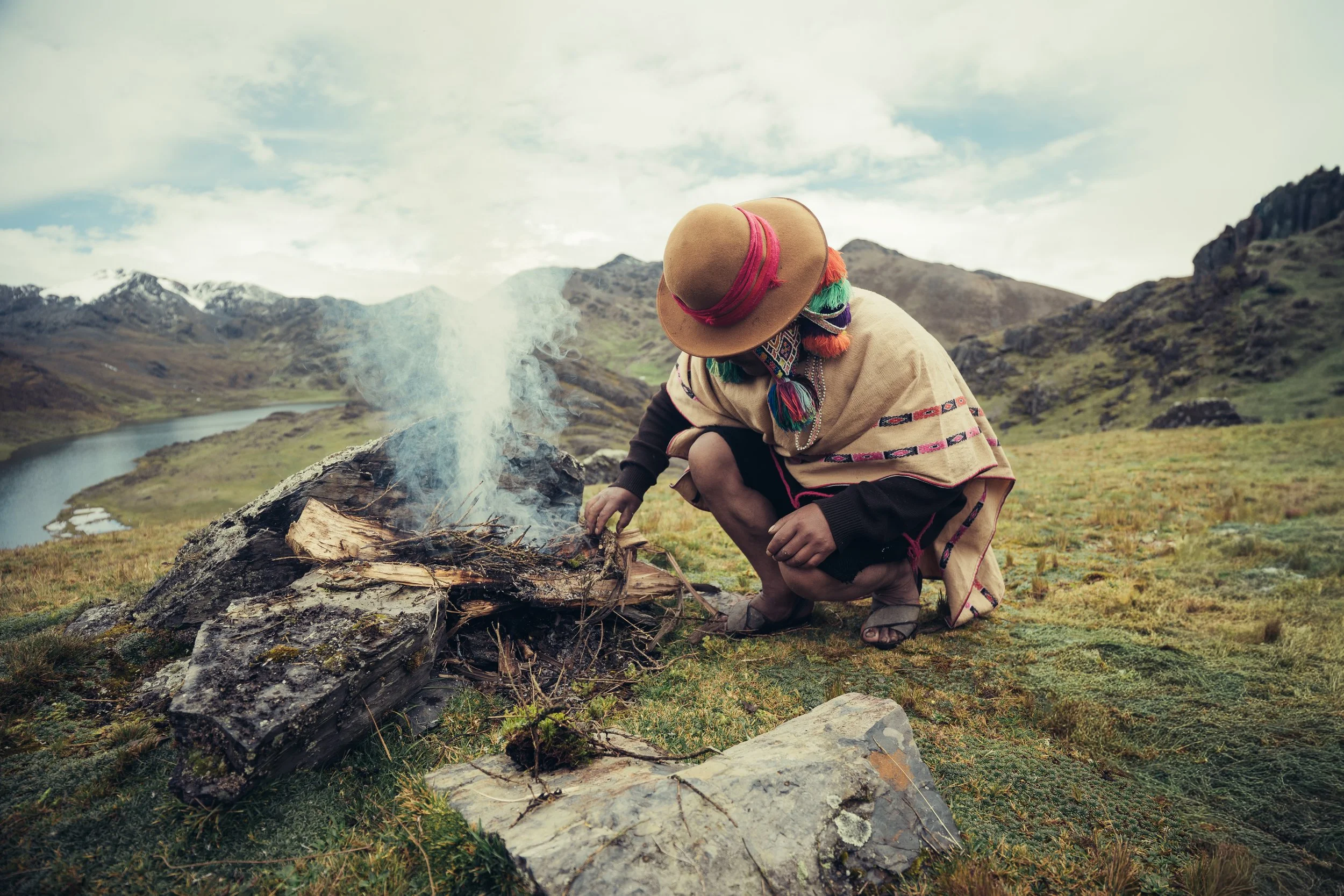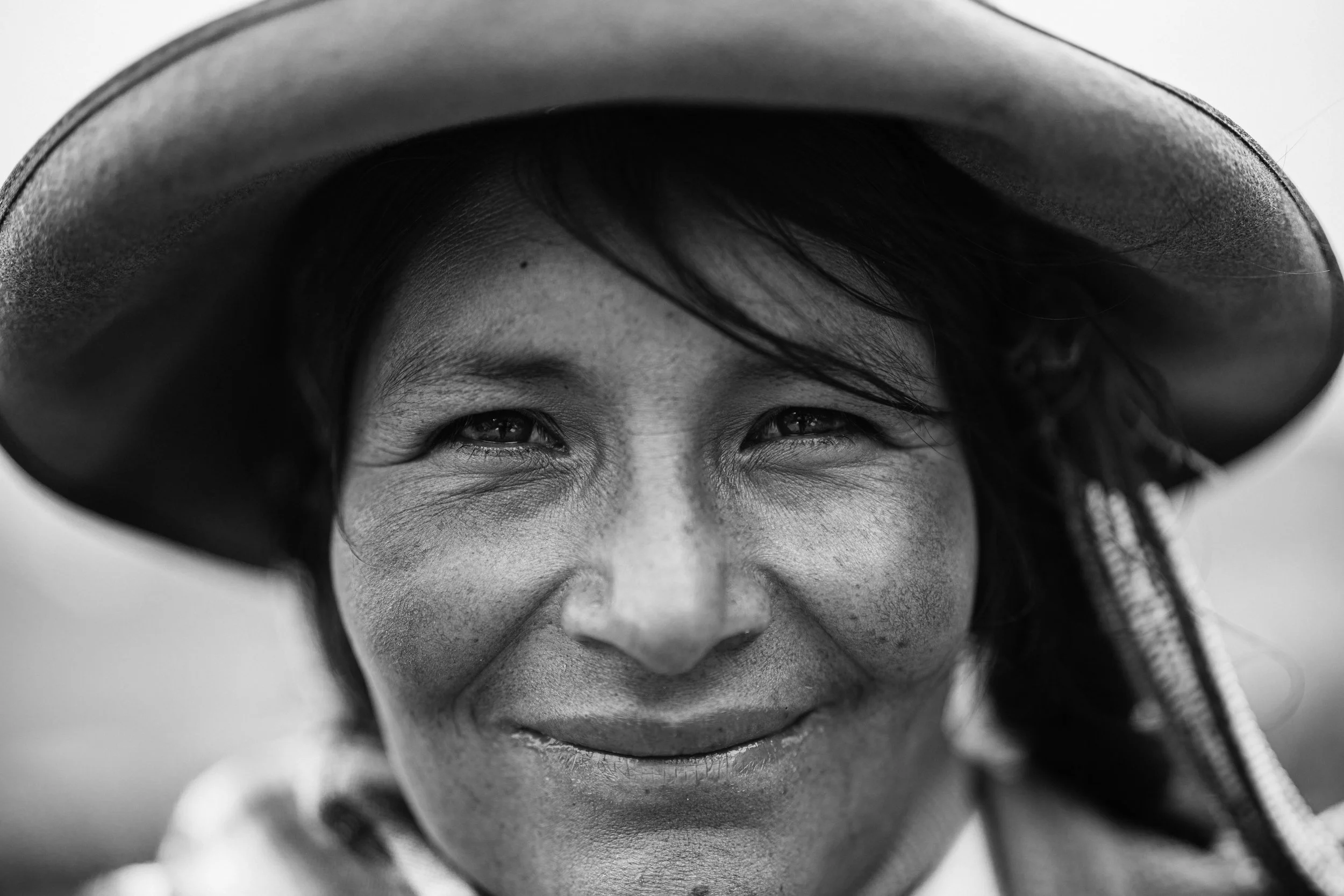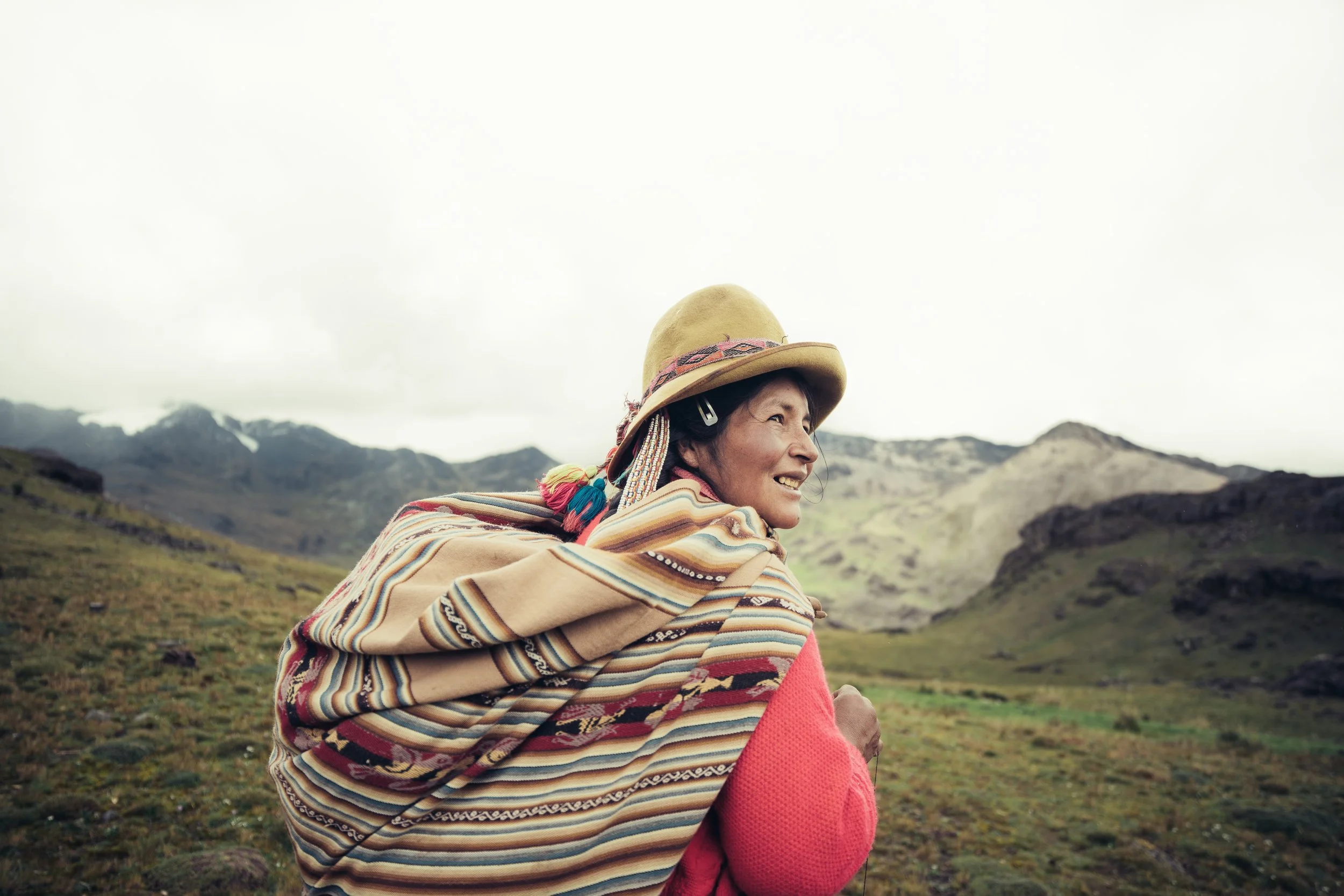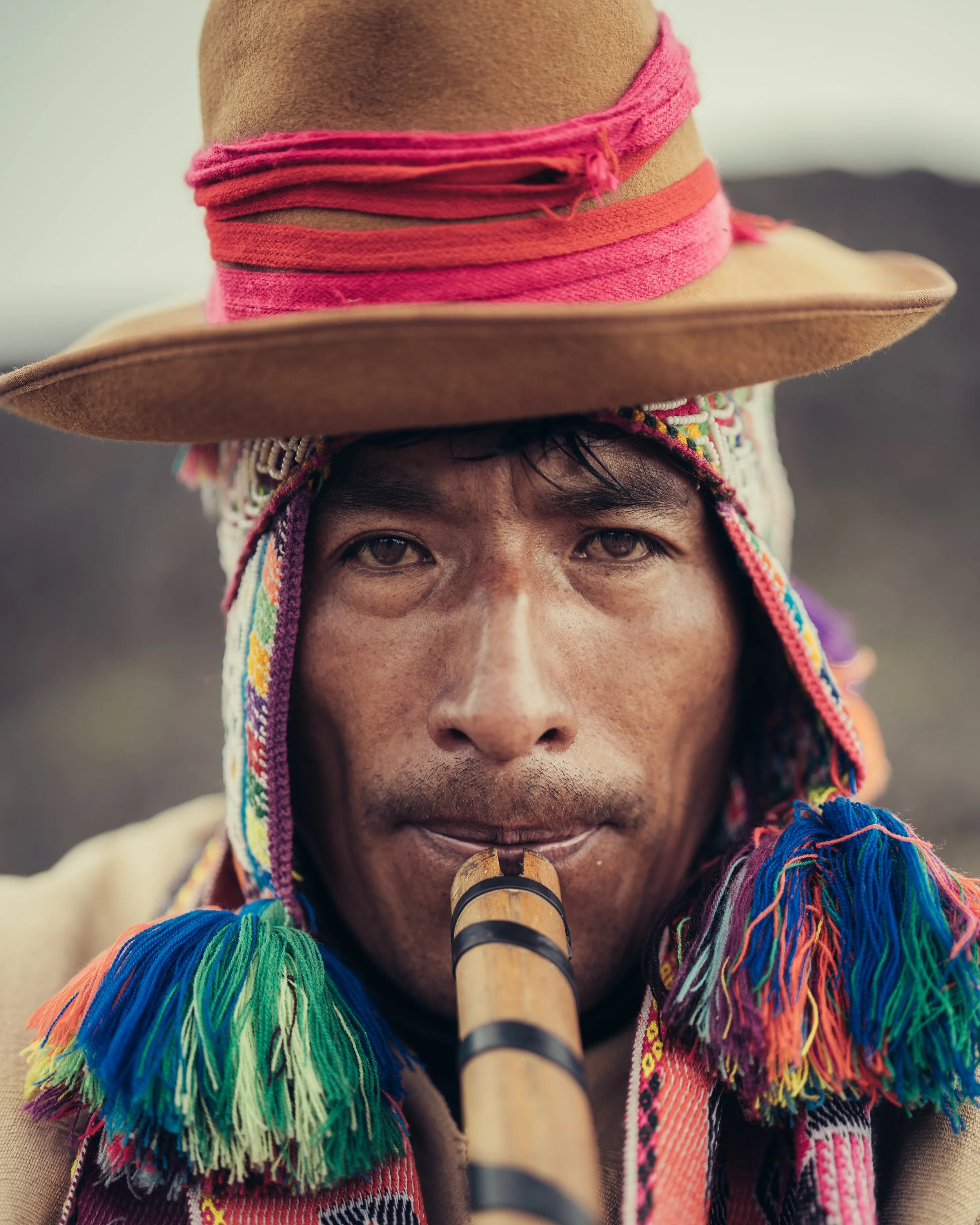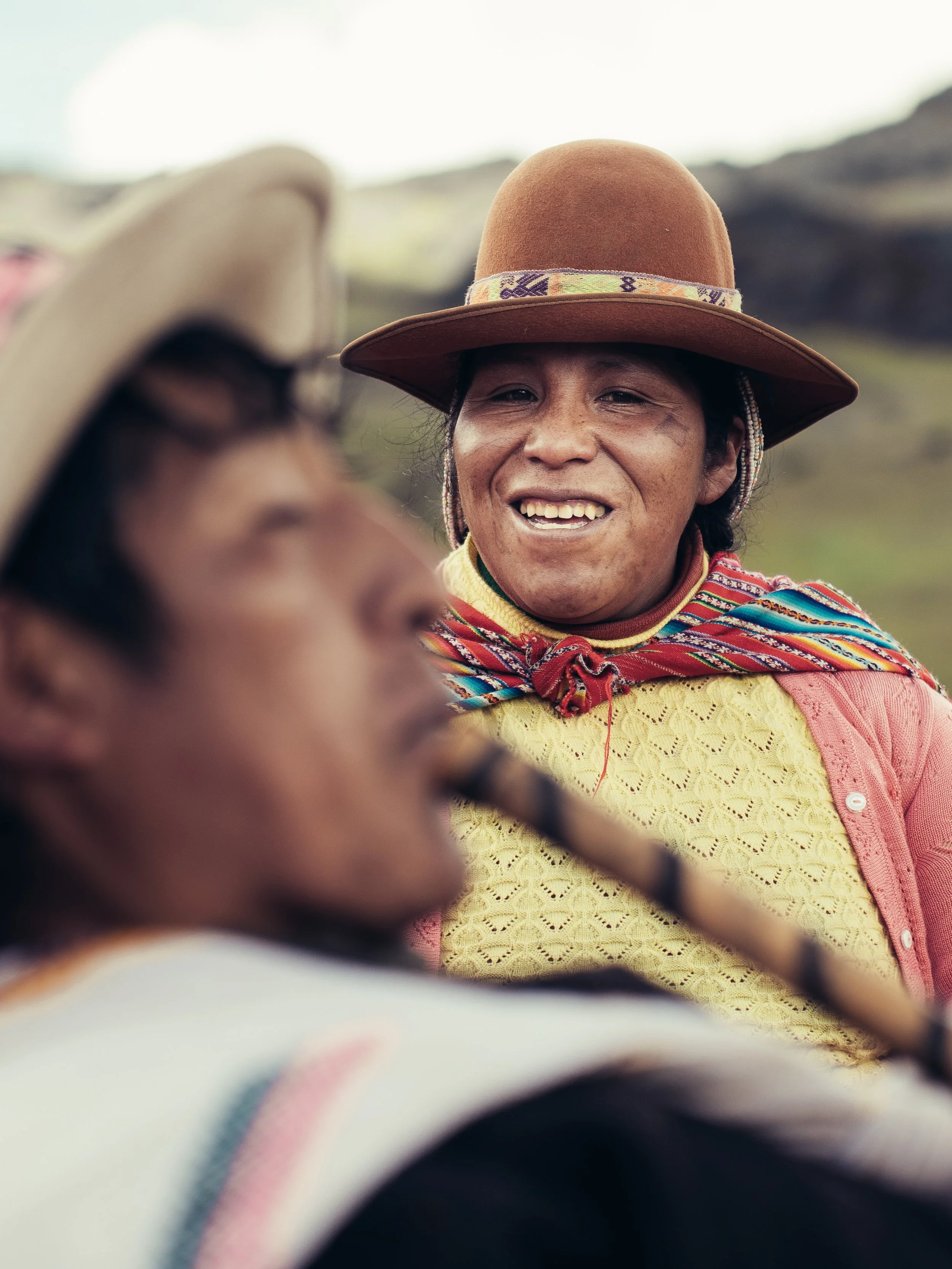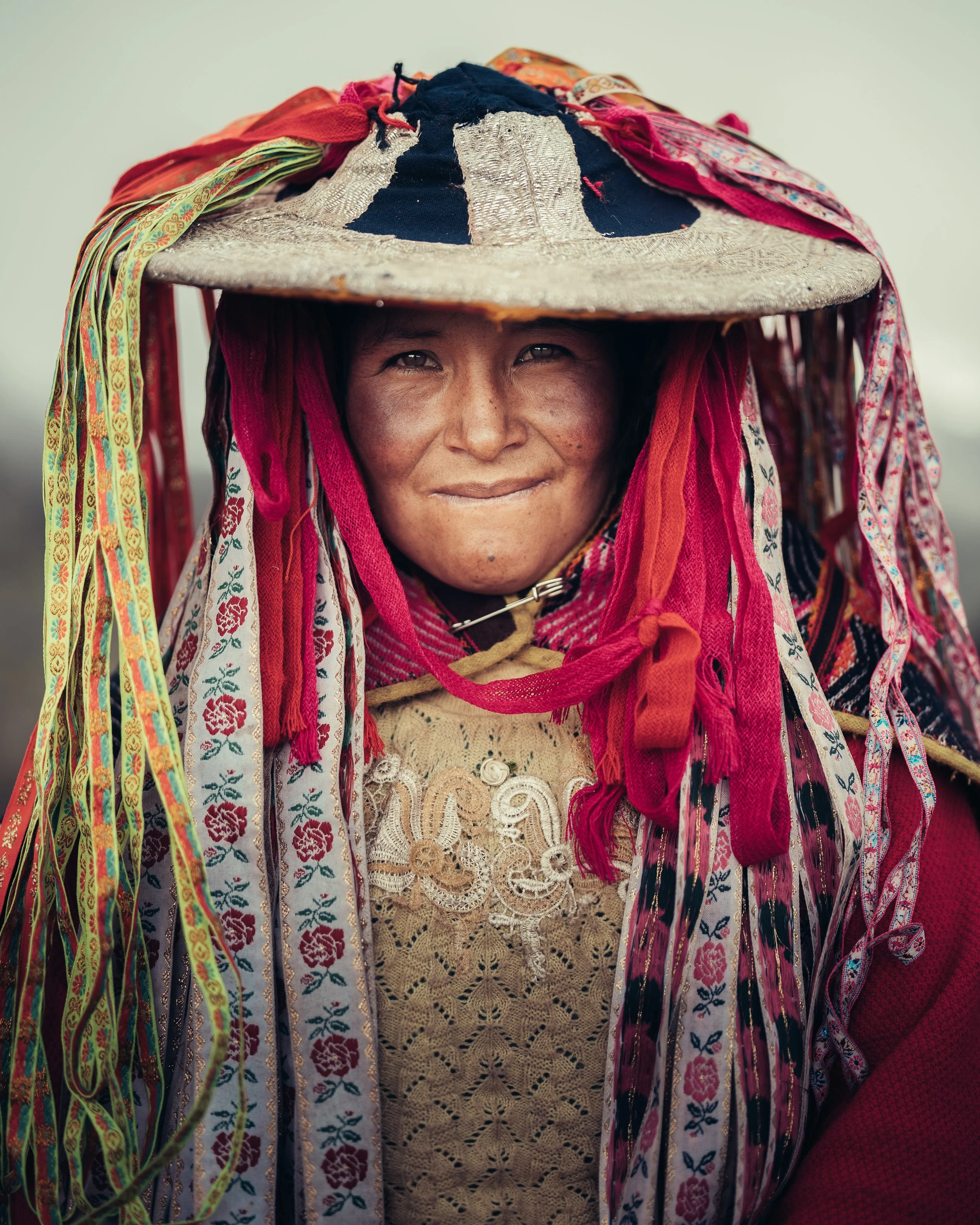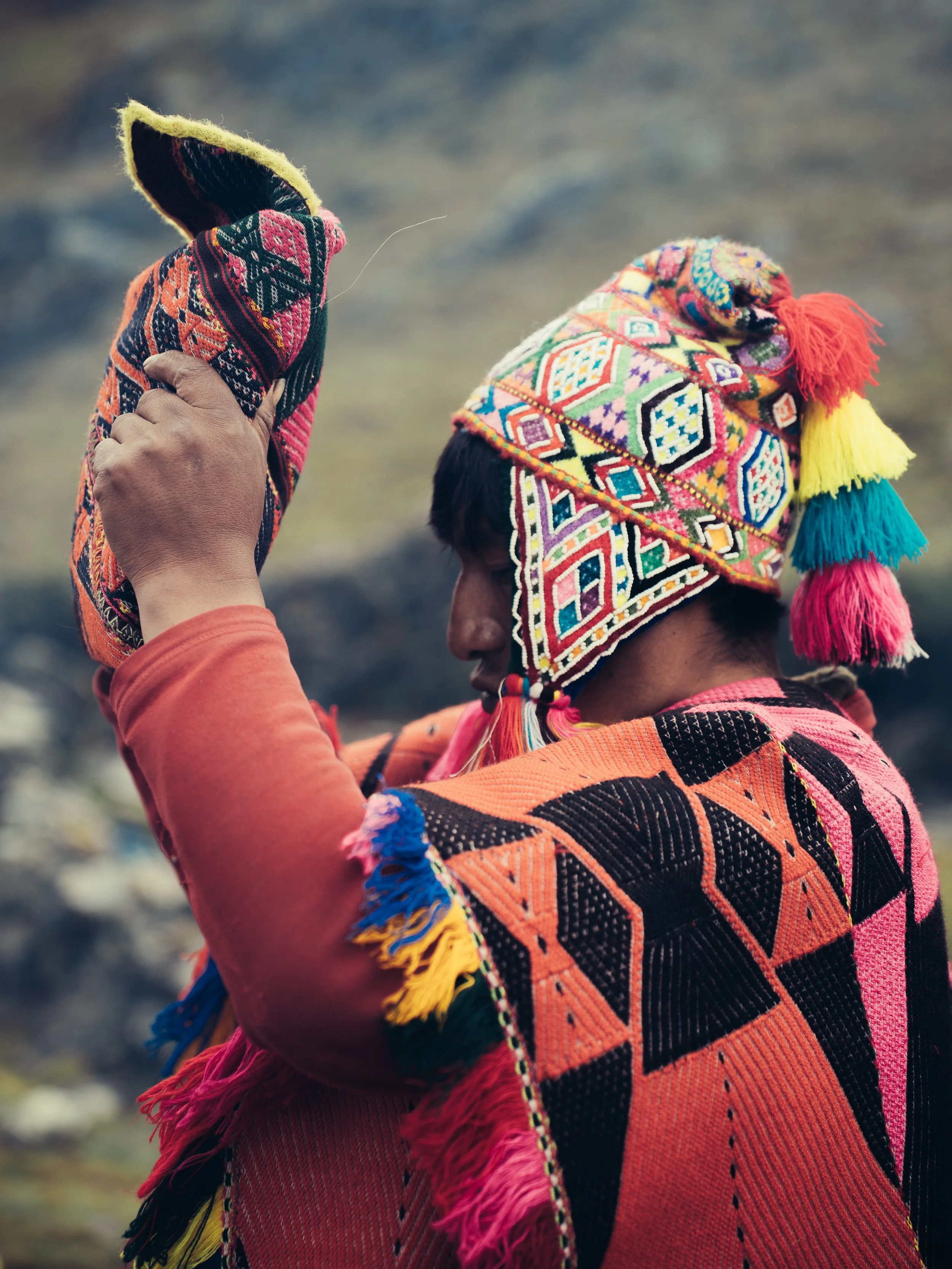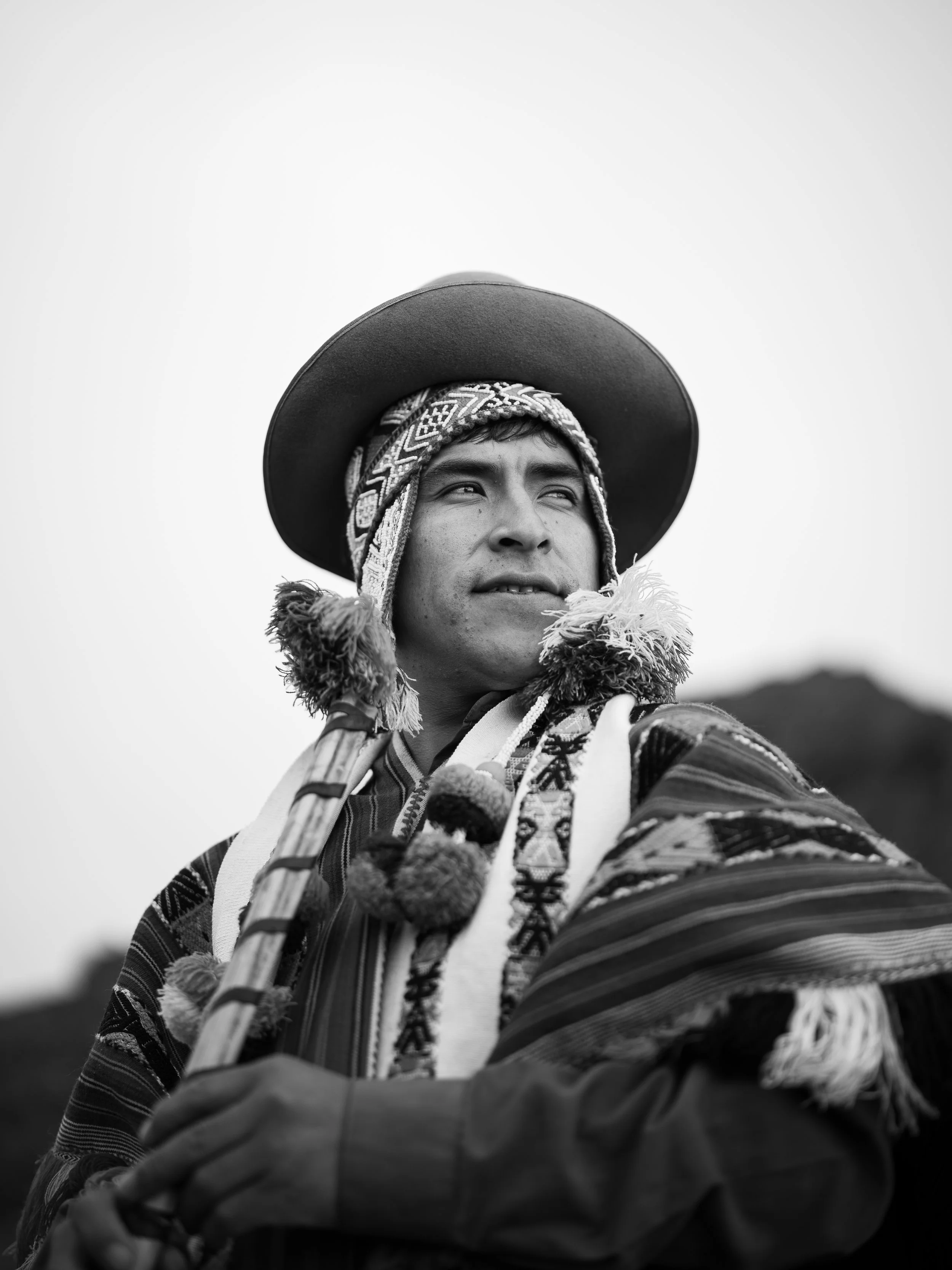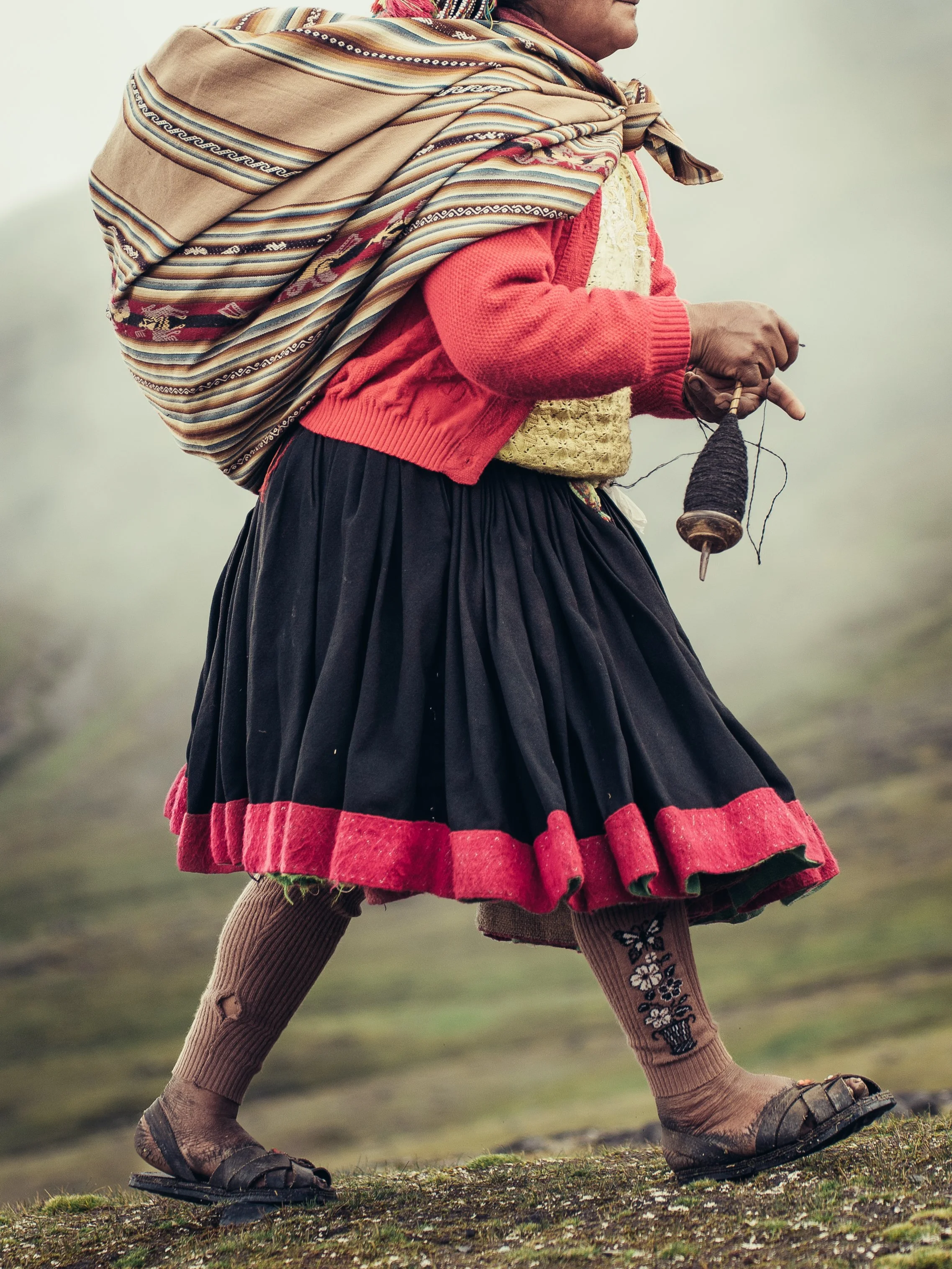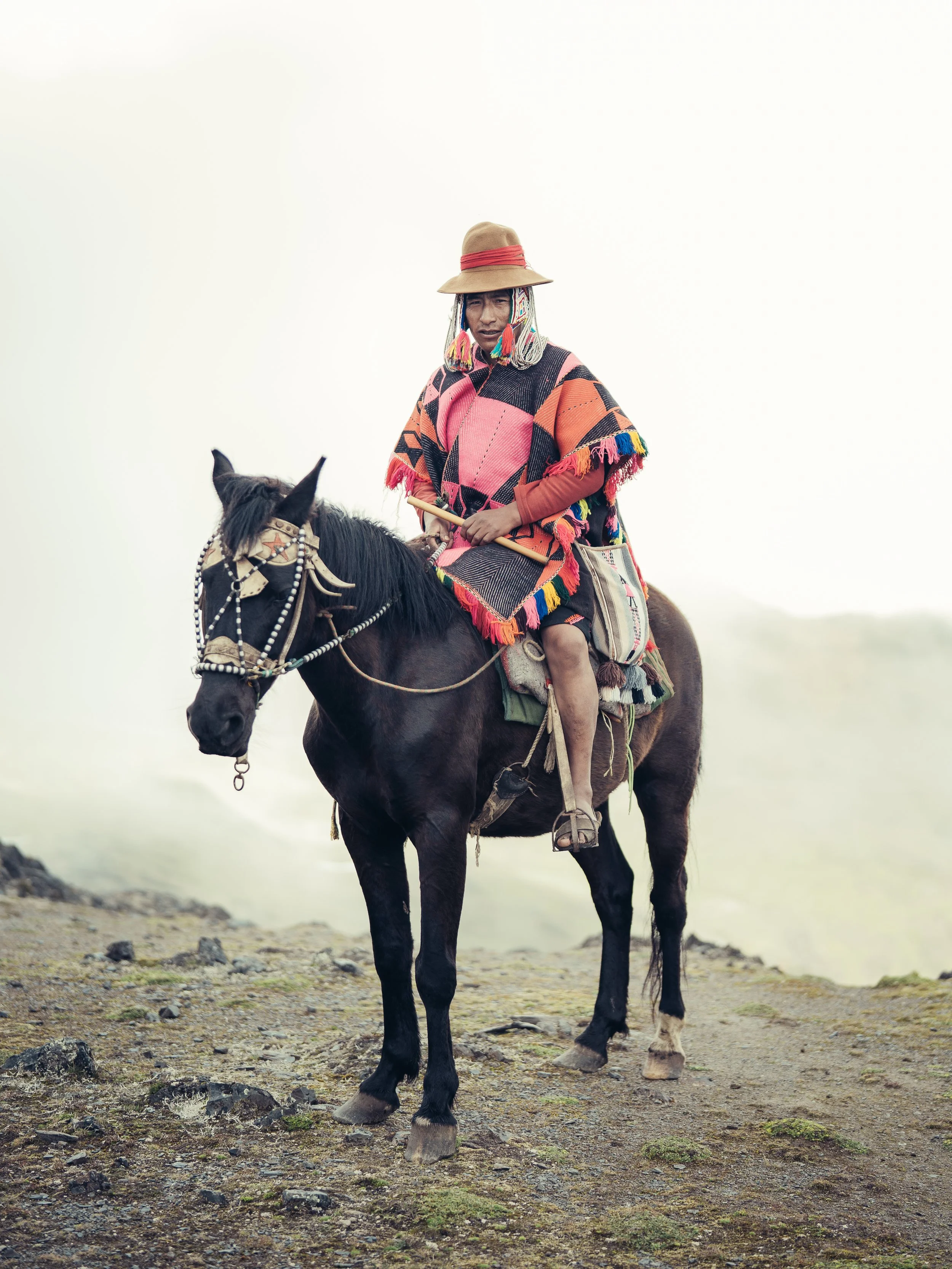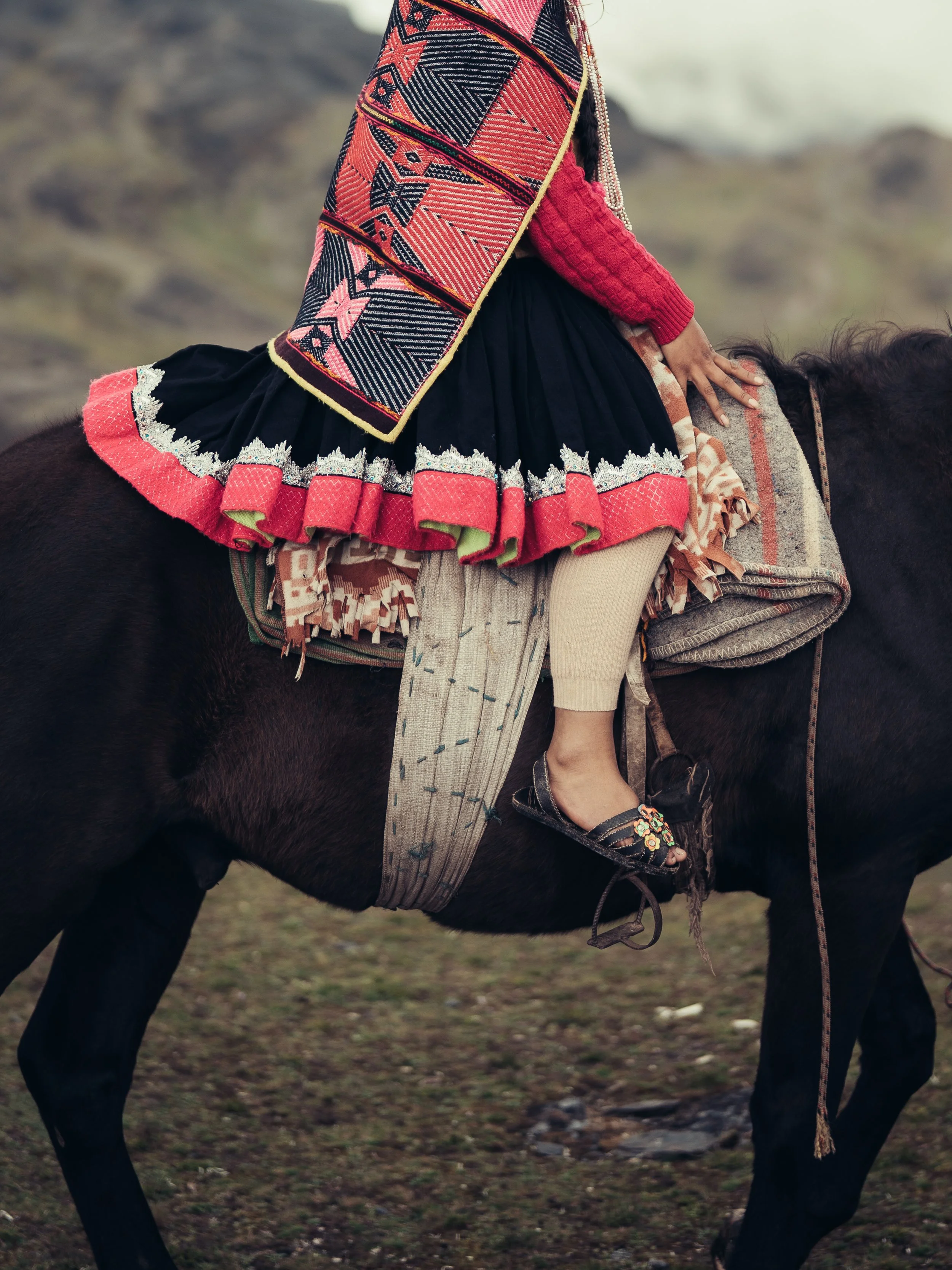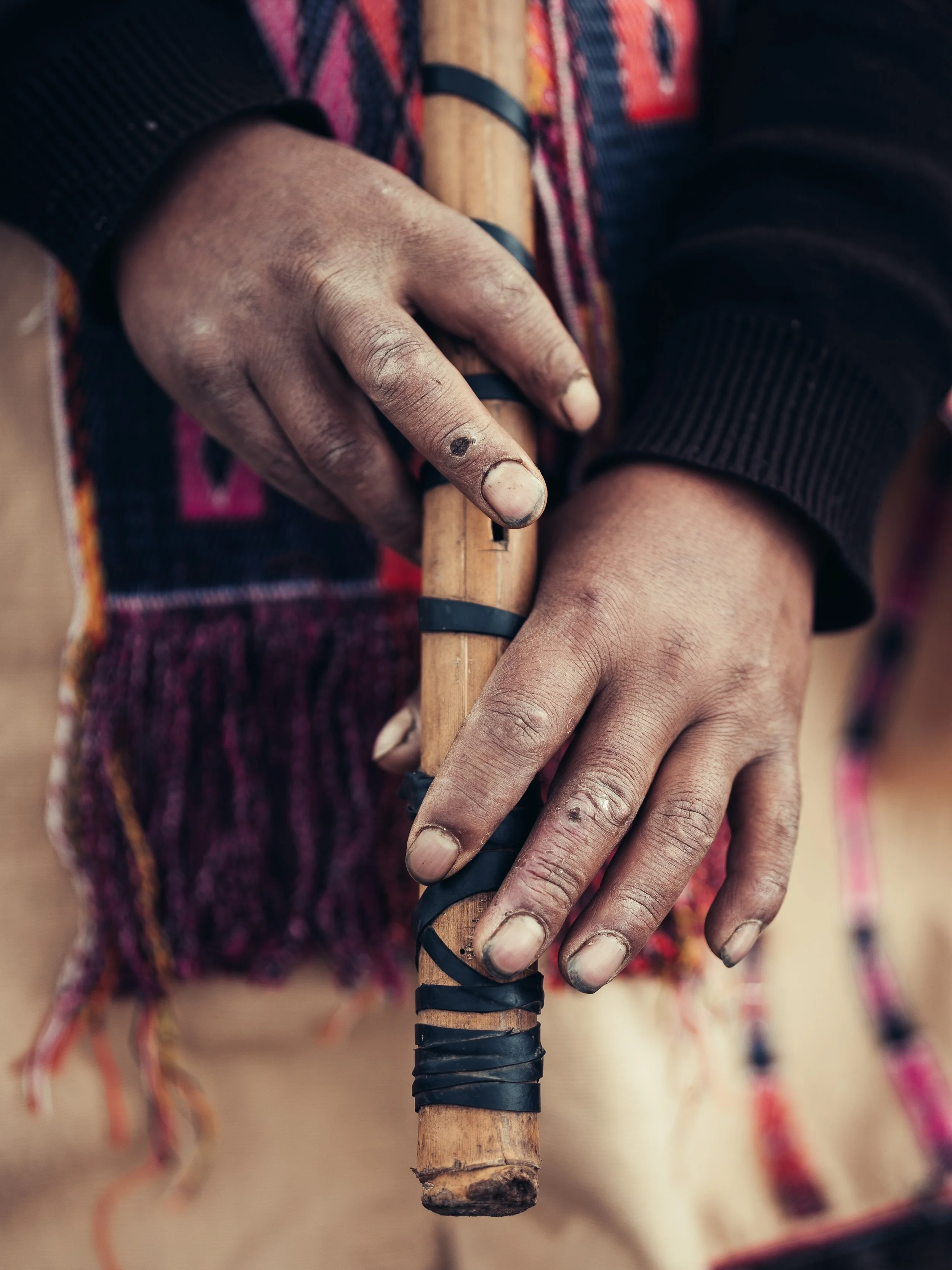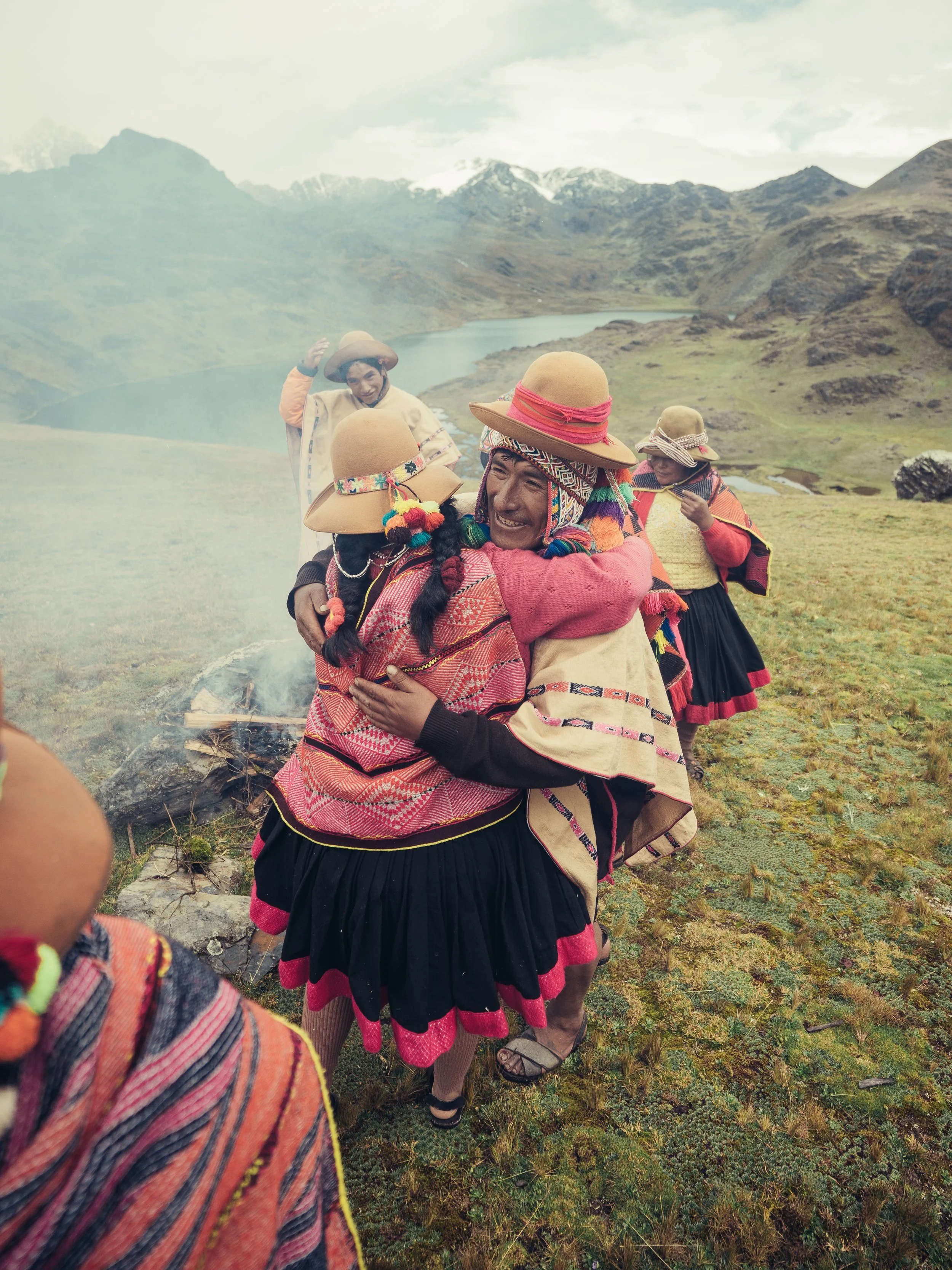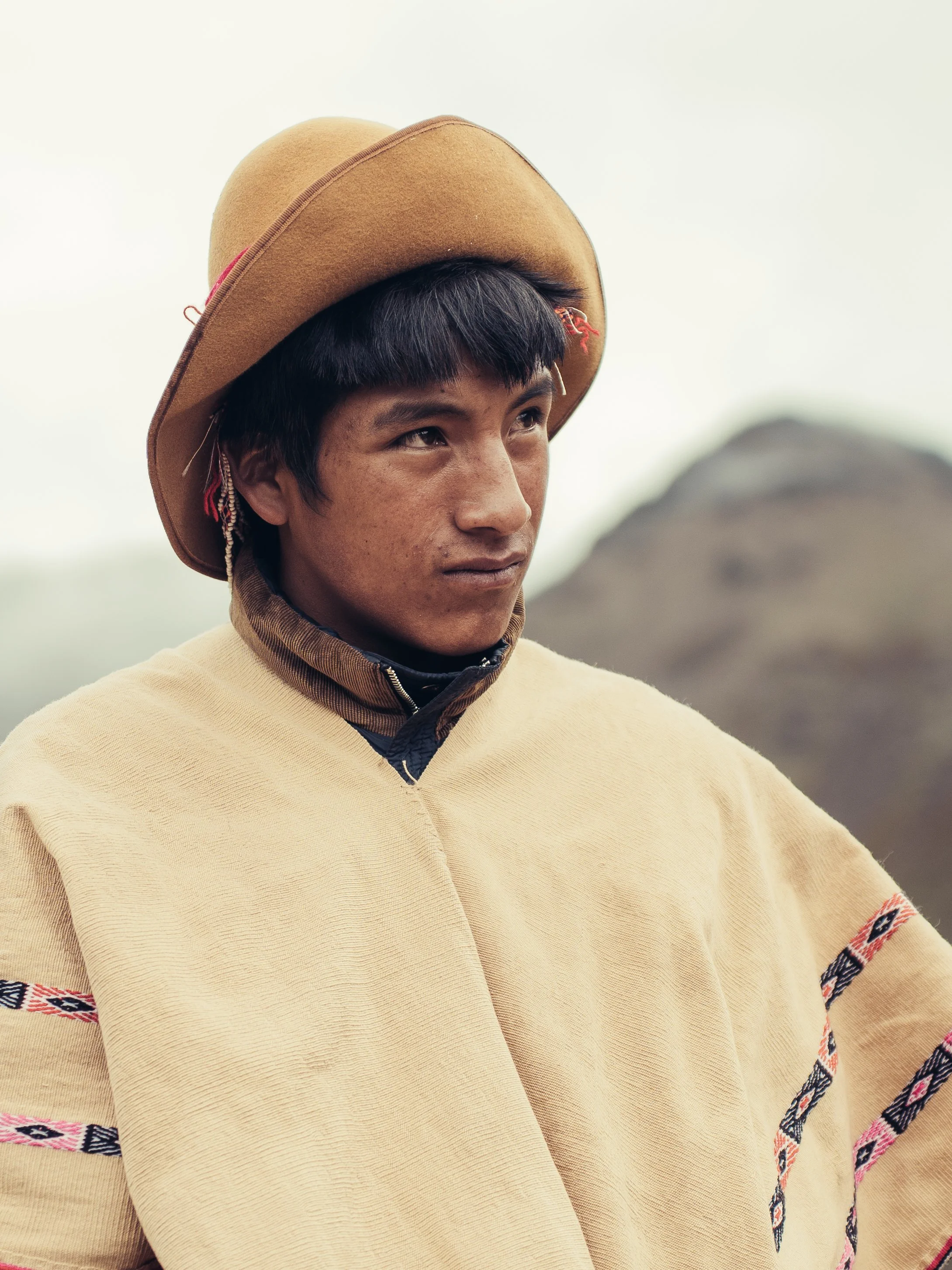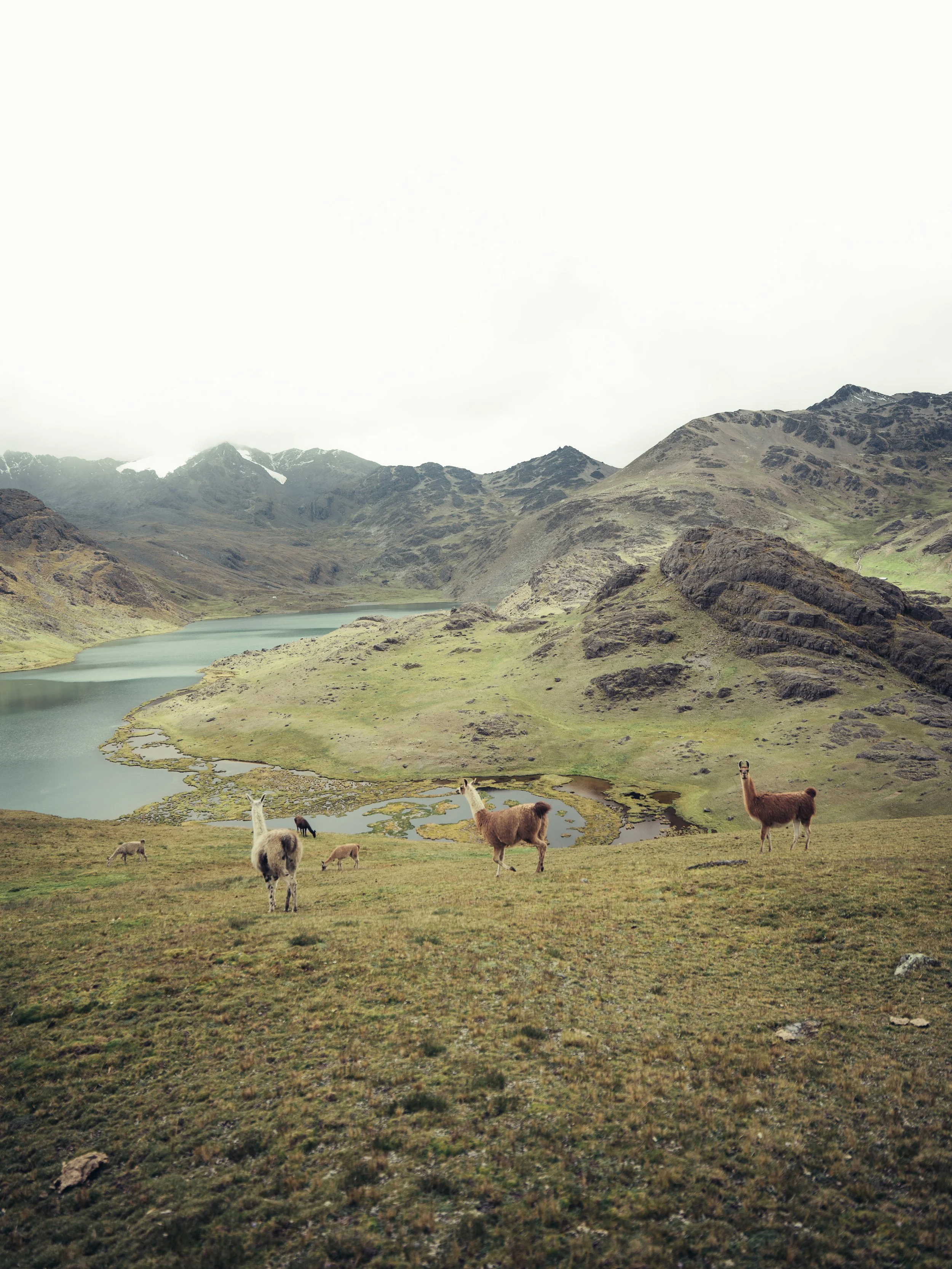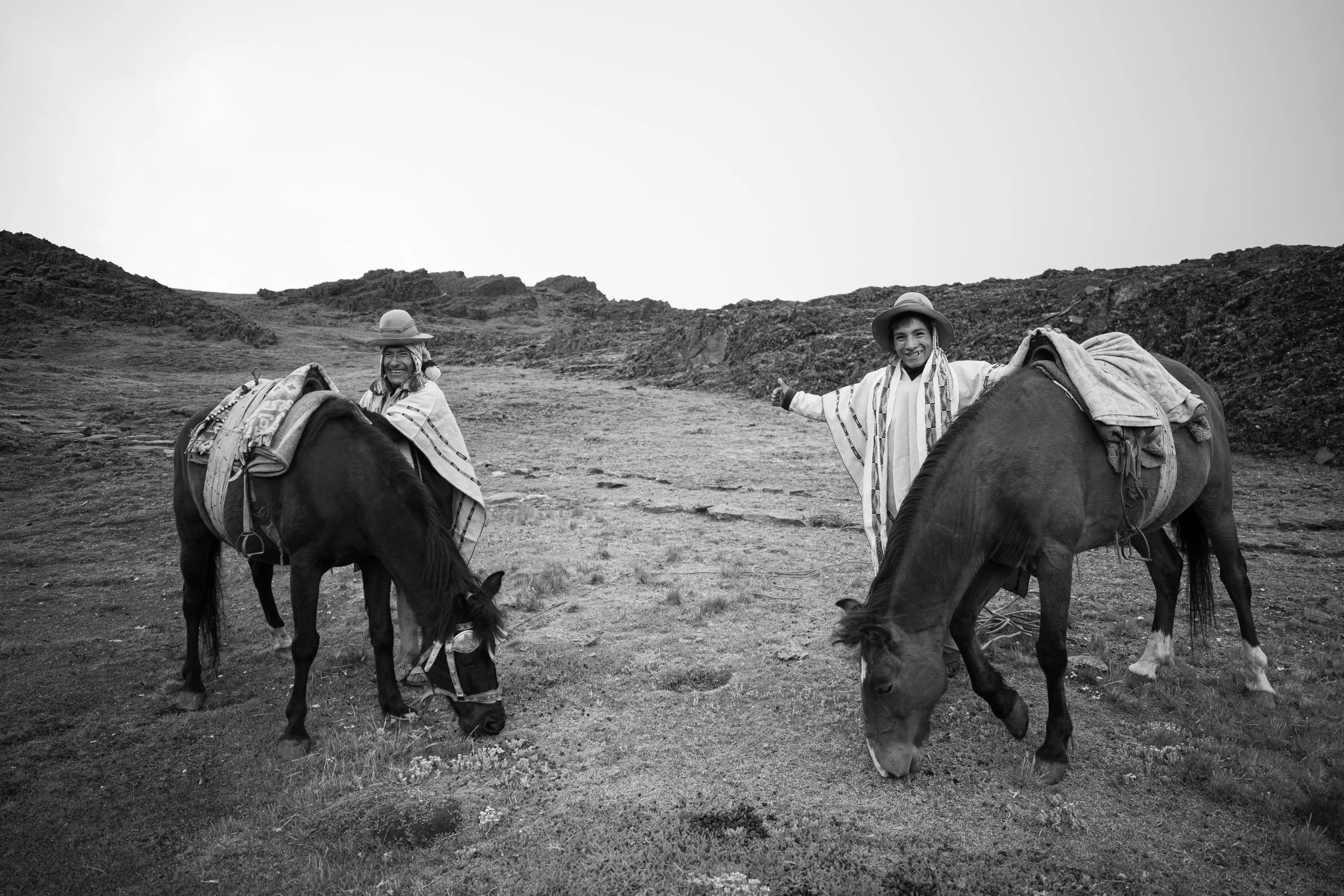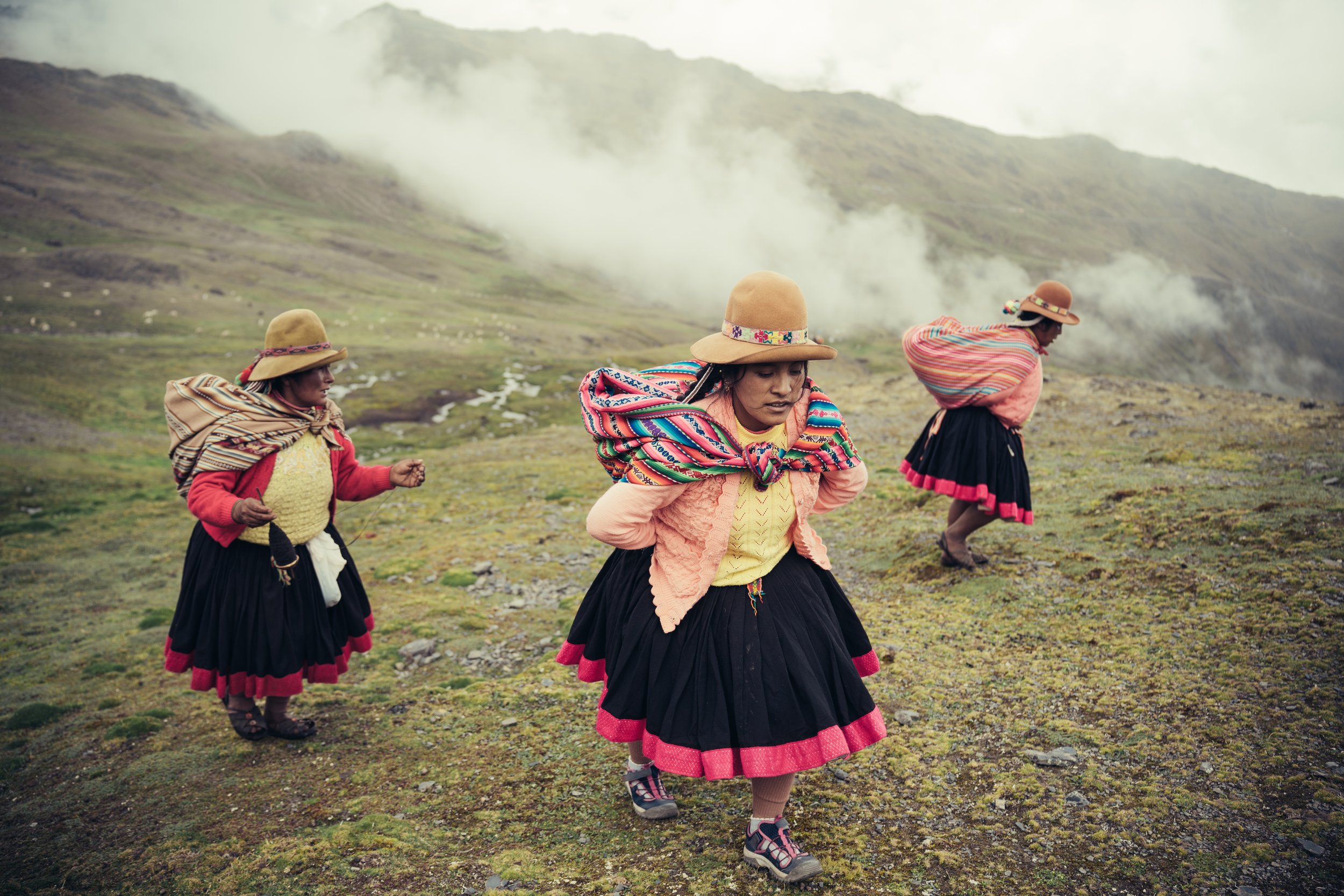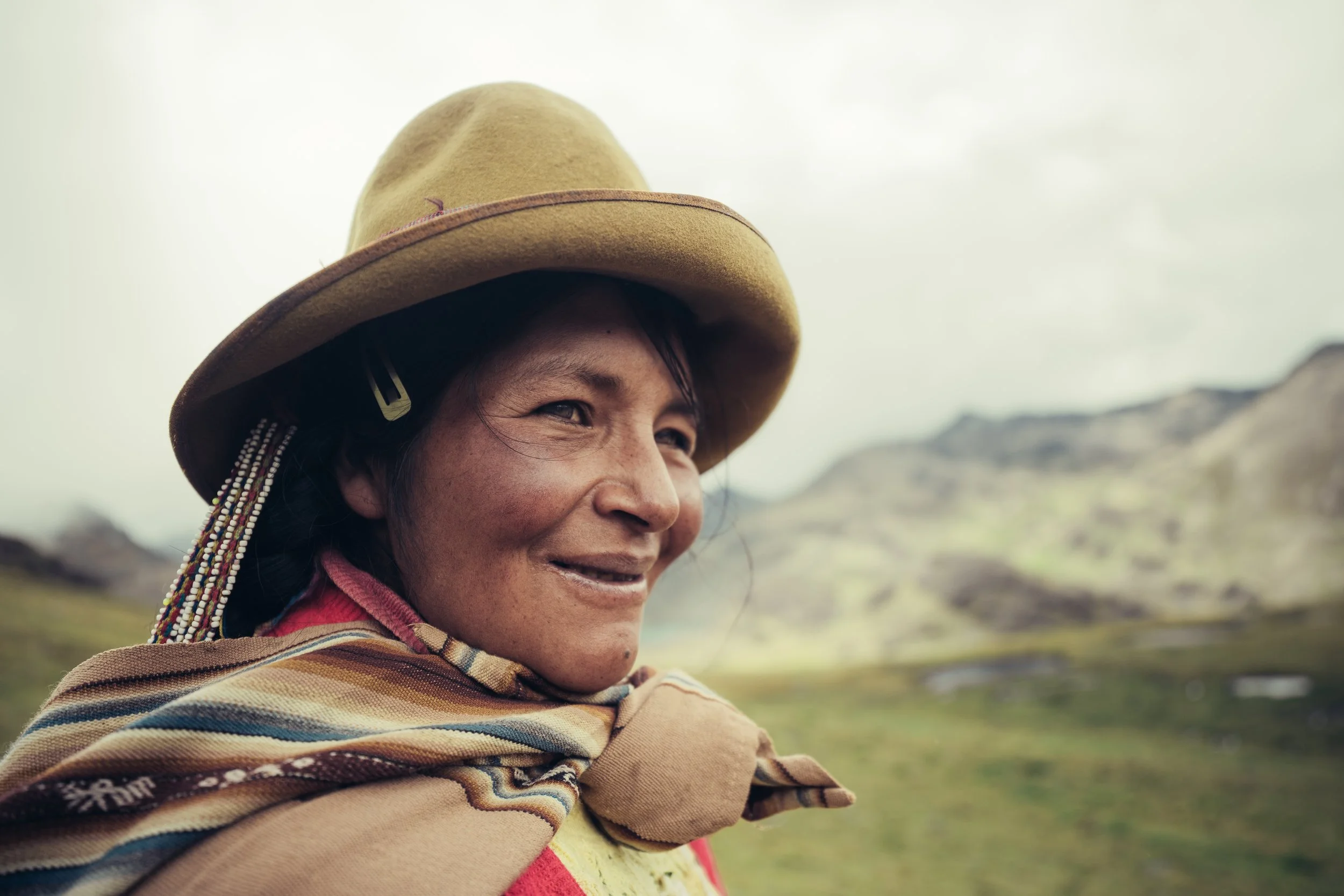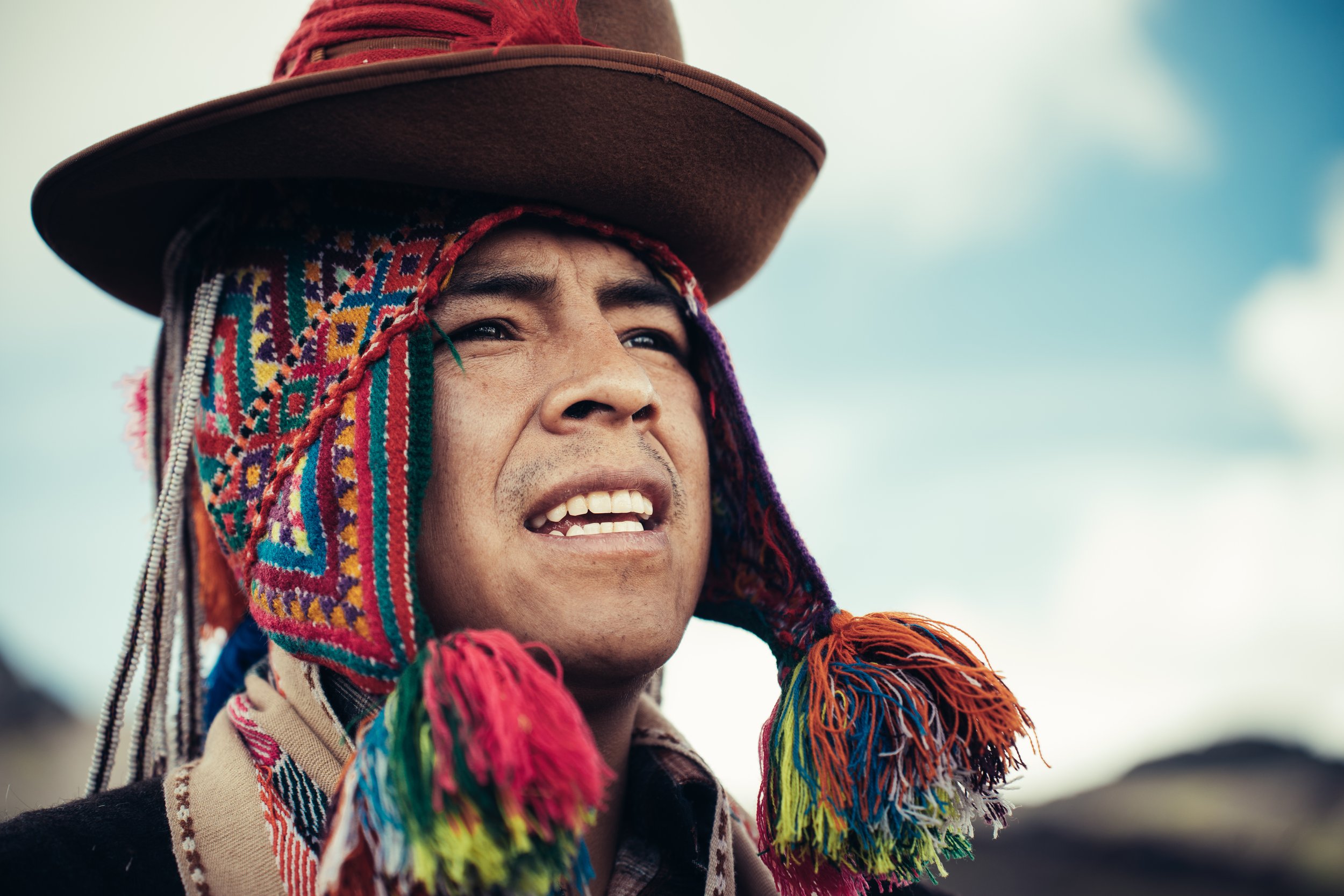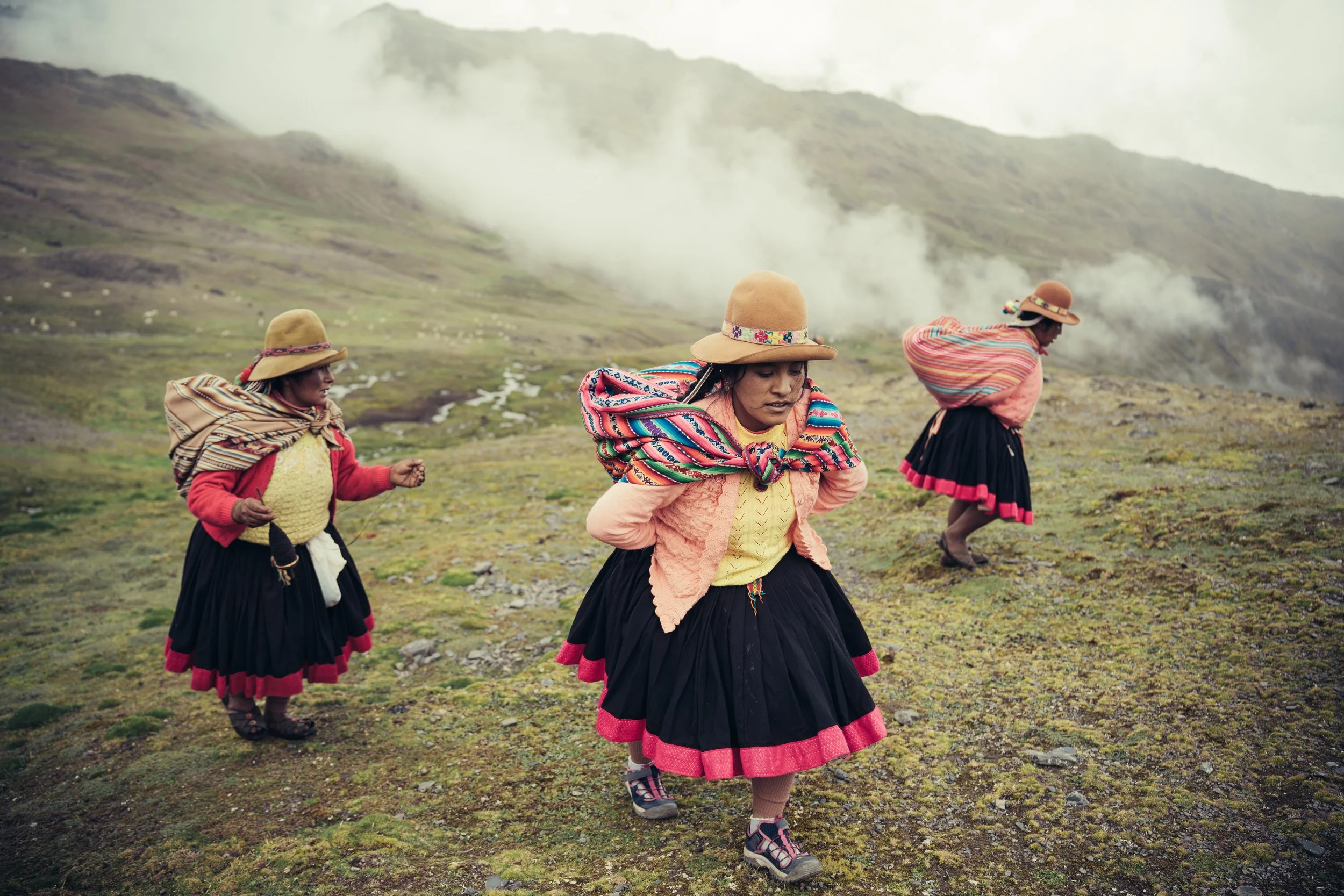
In the Peruvian Andes, the Q’eros people perpetuate a way of lifewhere daily practices, ritual gestures, and their relationship withthe environment are closely intertwined.Their way of inhabitingthe world is based on a principle of reciprocity, often referred to asayni. This principle structures relationships between individuals, aswell as with animals, the land, and the mountains.This relationshipis not based on abstract belief. It is expressed in concrete actions,repeated daily: offerings, spoken words, and attention given tocertain places or times.The mountains, called apus, occupy acentral place. They are considered entities in their own right, withwhich it is possible to connect.Certain members of the community,called paqos, play a mediating role through specific ritual practices.These practices are not isolated from the rest of life. They arean integral part of daily activities: walking, working, and gatheringtogether.Songs, dances, and music appear regularly, without aclear separation between ordinary and ritual moments.Time is lesssegmented. Actions flow seamlessly, without abrupt breaks, in aslow rhythm adapted to the environment and the movements.Forseveral days, I observed and shared in some of these practices,following the movements and gatherings.Understanding remainspartial. Gestures are not always explained, and their meaning is not immediately apparent.This project operates within this limitation. It does not seek to translate or interpret a system of thought, but rather to document forms of presence, ways of doing things, and visible relationships between individuals and their environment.The images show situations, gestures, and interactions, without attempting to establish a hierarchy.They bear witness to a set of practices where the material and relational dimensions remain inseparable.This work constitutes a fragmentary trace, constructed from a short experience, in contact with a system of life that far exceeds the framework in which it is observed.